
What to Expect from Winter Session Parliament Disruptions: Stormy Debates Ahead
Estimated reading time: 7 minutes
Key Takeaways
- The 2025 winter parliamentary session has begun with significant disruptions, including walkouts and slogan shouting, signaling a turbulent period ahead.
- Parliamentary disruptions are deliberate actions to halt or slow down legislative proceedings, encompassing walkouts, boycotts, forced adjournments, and vocal protests.
- Key issues driving these disruptions include demands for debates on electoral reforms (SIR of electoral rolls), economic policies (new tax bills), federalism, governance, and national security.
- The ruling party aims to push its legislative agenda, while the opposition seeks to leverage disruptions to force government attention on their demands.
- These disruptions lead to delays in law-making, financial waste, reduced government accountability, negative public perception, and potential long-term policy flaws.
Table of contents
- What to Expect from Winter Session Parliament Disruptions: Stormy Debates Ahead
- Key Takeaways
- Decoding Parliamentary Disruptions: Types and Causes of Unrest
- Unpacking the “Stormy Debates”: Likely Issues in Winter Parliamentary Session
- In-Depth Analysis of Political Maneuvering & Diverse Viewpoints
- Practical Implications of Anticipated Disruptions on Legislative Progress
- Conclusion
- Frequently Asked Questions
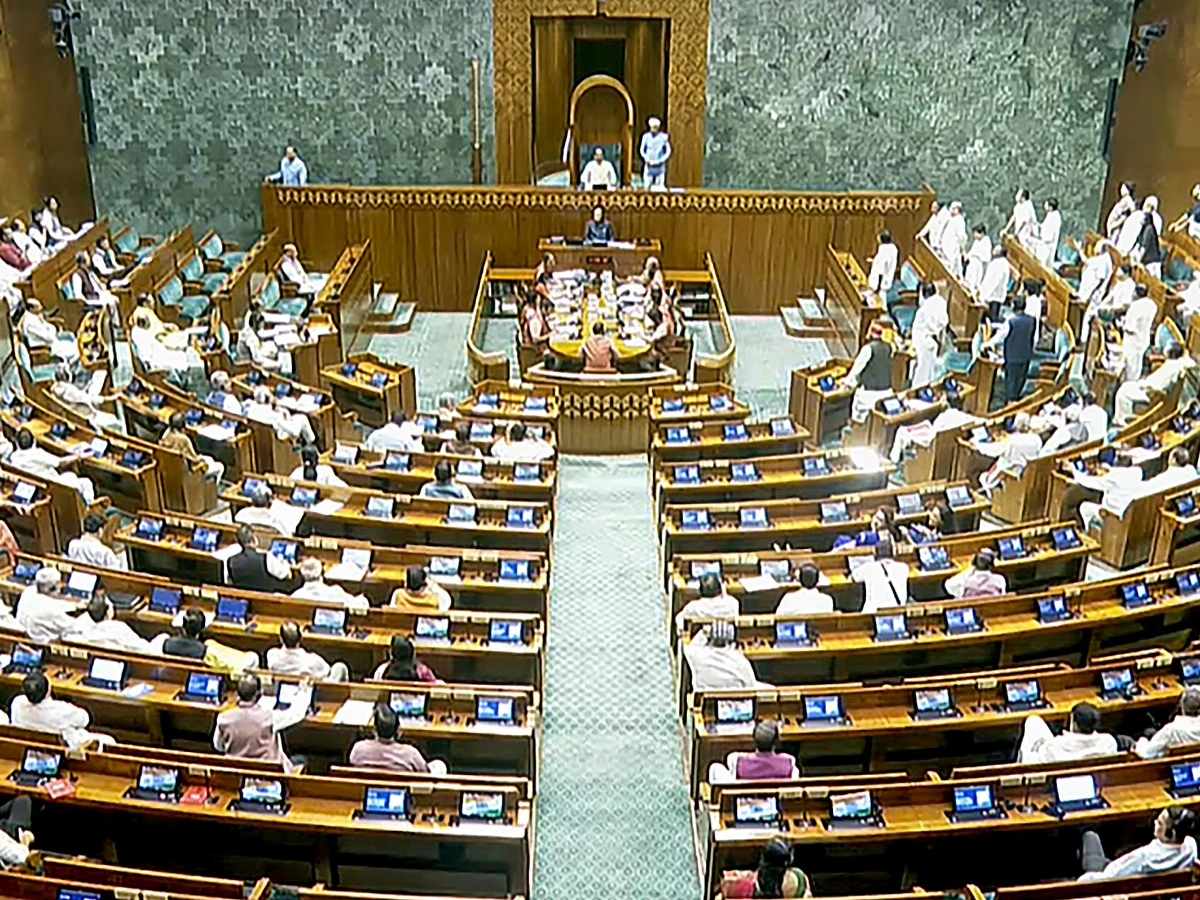
The grand halls of India’s Parliament are meant for debate, discussion, and law-making. But the start of the 2025 winter session sounded more like a storm. The session opened with walkouts, shouted slogans, and repeated adjournments, as lawmakers from different parties clashed from the very first hour. This fiery start is a clear sign of what’s to come. To understand what to expect from winter session parliament disruptions, we must look at the key issues causing this friction.
This isn’t the first time Parliament has seen such turbulence. The winter sessions of 2019 and 2022 were also marked by heated arguments and work stoppages. These past events show a pattern of using disruptions as a political tool. This post provides a deep analysis of upcoming parliament winter session, looking at the brewing parliament winter session stormy debates.
We will break down the different types of disruptions and why they happen. We will explore the likely issues in winter parliamentary session that are causing sparks to fly, the political game plans of each side, and what these disruptions mean for the country and its laws.
Decoding Parliamentary Disruptions: Types and Causes of Unrest
A “parliamentary disruption” is not just a loud argument. It is any action that is done on purpose to stop, slow down, or prevent the normal work of Parliament. It’s different from a regular, lively debate. It’s a deliberate halt to the proceedings.
Walkouts & Boycotts
A walkout is when a group of Members of Parliament (MPs) leaves the chamber together. They do this to show they strongly disagree with something. For example, on the first day of this session, members of the INDIA bloc walked out of the Rajya Sabha. This happened after their requests to discuss electoral reforms were denied. With winter session parliament disruptions expected, this kind of protest sends a strong message to the media and the public.
India delivers sharp rebuke to Pakistan at UN
Forced Adjournments
An adjournment is like a time-out. The Speaker of the house has to pause the session because it’s too chaotic to continue. The Lok Sabha was adjourned several times on its opening day, especially during Question Hour, a time set aside for MPs to question government ministers. These constant stops mean that important work doesn’t get done, confirming that winter session parliament disruptions expected by analysts were accurate.
India delivers sharp rebuke to Pakistan at UN
Slogan Shouting & Banner Displays
Imagine trying to have a serious discussion while people are shouting and holding up signs. That’s what happens in Parliament. Opposition members created chaos by chanting slogans like “SIR now!”, demanding a debate on the Special Intensive Revision (SIR) of electoral rolls. These vocal protests are a key feature of the parliament winter session stormy debates.
India delivers sharp rebuke to Pakistan at UN
Demand-Driven Disruptions
Sometimes, the disruptions are not just random noise. They are focused on a single demand. The opposition has made it clear that they will not let Parliament function normally until the government agrees to a full debate on the SIR of electoral rolls. This is one of the most likely issues in winter parliamentary session to cause repeated standoffs.
Bihar Election Result Analysis PDF Download
Why Do These Disruptions Happen?
These actions are not just for show. They happen for several deep-seated reasons:
- Holding the Government Accountable: The opposition’s job, as laid out in the constitution, is to question the government and hold it responsible for its actions. Disruptions are one way they try to force accountability.
- Pushing Through Laws: The government has a list of important bills it wants to pass. These include the Central Excise Amendment Bill 2025 and the Health Security & National Security Cess Bill 2025. It often tries to push these through even when the opposition is protesting.
- Politics Before Elections: With state elections on the horizon, every party is trying to look strong and dedicated to its voters. The debates and disruptions become part of their campaign.
Bihar Election Result Analysis PDF Download
Nitish Kumar JDU Leader Bihar - Public Pressure: Issues like fair elections and new taxes are important to the public. Parties use disruptions to show they are fighting for the people’s interests.
Ultimately, disruptions are used as a strategic tool. They are a way for the smaller opposition parties to gain leverage and force the powerful ruling party to listen to their concerns.
India delivers sharp rebuke to Pakistan at UN
Unpacking the “Stormy Debates”: Likely Issues in Winter Parliamentary Session
The term “stormy debates” perfectly describes what happens when parties with very different ideas clash over important national policies. This session is full of topics that are guaranteed to create fireworks.
Electoral Reforms & SIR of Electoral Rolls
At the top of the list of likely issues in winter parliamentary session is the Special Intensive Revision (SIR) of electoral rolls. This is the process of updating the official list of voters. The opposition is concerned that this process could be unfair, potentially removing genuine voters or adding fake ones, which could change election results. Their demand for a debate led to a walkout and is the main reason for the initial chaos.
Bihar Election Result Analysis PDF Download
Economic & Fiscal Policies
Money matters are always a source of conflict. The government has introduced new bills like the Central Excise Amendment Bill 2025 and the Health Security & National Security Cess Bill 2025. These bills are about taxes. The opposition will argue that these new taxes could make everyday items more expensive and hurt the poor. These discussions are set to be central to the parliament winter session stormy debates, with some bills reportedly being introduced “in din without any discussion.”
India-US Trade Deal Delay Reasons
India Confidence Delay US Trade Deal
Federalism & Regional Development
Federalism is the balance of power between the central government in Delhi and the individual state governments. The Manipur GST Second Amendment Bill is an example of an issue that touches on this balance. While the government says it’s just a technical update, any change to how taxes are shared between the Centre and states is a sensitive topic. This is another of the likely issues in winter parliamentary session that can cause friction.
Bihar Election Result Analysis PDF Download
Nitish Kumar JDU Leader Bihar
Governance, Corruption & Accountability
Question Hour in Parliament is when the government has to answer for its actions. The opposition is expected to raise tough questions about alleged corruption and government mistakes. These moments of accountability are often the loudest and most contentious parts of the parliament winter session stormy debates.
India delivers sharp rebuke to Pakistan at UN
Imran Khan Health Solitary Confinement Update
National Security & Foreign Policy
The new National Security Cess Bill links money directly to the country’s safety. This will likely open up debates about how the government is handling national security threats and its relationship with other countries. The opposition will demand to know exactly how this tax money will be used to keep India safe, adding another layer to the parliament winter session stormy debates.
Khawaja Asif India War Warning
India delivers sharp rebuke to Pakistan at UN
Different political parties see these issues through very different lenses. Parties that focus on social welfare might see new tax bills as harmful to the poor. Parties that focus on economic growth might see them as necessary for the country’s financial health. This clash of viewpoints is what turns a simple policy discussion into a “stormy debate.”
In-Depth Analysis of Political Maneuvering & Diverse Viewpoints
This analysis of upcoming parliament winter session is not complete without looking at the game plan, or strategy, of both the ruling party and the opposition.
The Ruling Party’s Strategy
The government’s plan seems to be to push its laws through, no matter what. They are using their majority power to introduce bills and even pass them while the opposition is protesting. Before the session began, Prime Minister Modi addressed the media but did not seem willing to discuss the opposition’s main demand about the SIR. This shows a strategy of moving forward aggressively, limiting time for debates that the opposition wants.
India-US Trade Deal Delay Reasons
India Confidence Delay US Trade Deal
The Opposition’s Strategy
The opposition parties, united under the INDIA bloc, have a clear strategy: stand together and disrupt until their demands are met. They warned the government at an all-party meeting that they would disrupt Parliament if the SIR issue was not discussed on day one. By walking out and shouting slogans, they are trying to force the government to pay attention and bring national media focus to their cause.
Bihar Election Result Analysis PDF Download
What the Experts Are Saying
Political analysts have different views on this situation:
The Pessimistic Outlook
Some experts are worried. One analyst warned that these constant “routine gridlocks may be eroding Parliament’s institutional health.” They believe that when leaders stop talking to each other, the entire system of democracy gets weaker. They fear Parliament is becoming more about political drama than about making good laws.
Imran Khan Health Solitary Confinement Update
The Pragmatic/Balanced Outlook
Others have a more middle-ground view. They point out that even with all the noise, some work is getting done. Bills have been introduced and one has even been passed. This suggests that while the system is messy, it hasn’t completely broken down.
The Optimistic/Pro-Government Outlook
This viewpoint emphasizes that the government was elected by a majority of people to govern. Therefore, it has the right and the duty to pass the laws it promised. From this perspective, opposition disruptions are seen as an attempt to block the will of the people.
The Reform-Centric Outlook
A fourth group of experts believes the rules themselves need to change. They suggest new systems, like mandatory meetings between the Prime Minister and the Leader of the Opposition, to help manage disagreements better and avoid constant disruptions in the future.
India-US Trade Deal Delay Reasons
Each of these strategies—the government’s push and the opposition’s protest—fuels the fire, making it clear why winter session parliament disruptions expected by everyone have become a reality.
Practical Implications of Anticipated Disruptions on Legislative Progress
These disruptions are not just political theatre; they have real-world consequences for the country.
Delays in Law-Making
Every time Parliament is adjourned, valuable time is lost. Each adjournment can last for hours. This lost time slows down the process of making new laws or updating old ones. Important bills get stuck, and progress on national issues is delayed. Understanding this is key to knowing what to expect from winter session parliament disruptions.
India-US Trade Deal Delay Reasons
Financial Costs
Running Parliament is expensive. It costs a lot of money to pay for staff, security, and electricity every single hour. When Parliament is adjourned due to disruptions, all that money is wasted. As winter session parliament disruptions expected to continue, this financial waste will add up.
India-US Trade Deal Delay Reasons
Less Accountability
The most important work of holding the government accountable happens during Question Hour and other special discussions. When these are cancelled due to disruptions, the government doesn’t have to answer tough questions from the people’s representatives. This weakens democracy and is a serious consequence of the parliament winter session stormy debates.
Imran Khan Health Solitary Confinement Update
Public Perception
When citizens watch the news and see their elected leaders shouting instead of debating, it can lead to a loss of trust. Many people become frustrated and feel that politicians are not serious about solving the country’s problems. The constant fighting over likely issues in winter parliamentary session can make people lose faith in the political system.
India delivers sharp rebuke to Pakistan at UN
Long-Term Policy Consequences
Bills that are passed in a hurry without proper debate can have serious flaws. For example, the Manipur GST amendment might face legal challenges or be difficult to put into practice because it was rushed. A complete analysis of upcoming parliament winter session shows that this could create bigger problems for the country down the road.
India-US Trade Deal Delay Reasons
Conclusion
The 2025 winter session has started on a turbulent note, and the weeks ahead promise more of the same. Our review of what to expect from winter session parliament disruptions shows a clear pattern of confrontation. The clash over key topics, from electoral reforms to new taxes, is creating a deeply divided atmosphere.
This analysis of upcoming parliament winter session highlights that these disruptions are not random acts but are part of a larger political strategy. The government is focused on its legislative agenda, while the opposition is determined to force discussions on issues it deems critical. The result is a series of parliament winter session stormy debates over the most likely issues in winter parliamentary session.
Finding a balance between a strong opposition and an effective government is one of the biggest challenges for any democracy. As this session continues, the real test will be whether our leaders can find a way to debate their differences constructively without bringing the work of the nation to a complete halt.
We encourage you to follow the live updates from Parliament, subscribe to our newsletter for more in-depth analysis, and engage in thoughtful discussions about the future of our democracy.
Frequently Asked Questions
What is the primary reason for the initial disruptions in the 2025 winter session?
The primary reason for the initial disruptions was the opposition’s demand for a debate on the Special Intensive Revision (SIR) of electoral rolls, which the government did not immediately agree to.
How do parliamentary disruptions affect the legislative process?
Disruptions lead to delays in law-making, waste public money, reduce the government’s accountability, and can negatively impact public perception of politicians and the democratic process.
What are some of the key legislative bills expected to be discussed?
Key bills expected include the Central Excise Amendment Bill 2025, the Health Security & National Security Cess Bill 2025, and the Manipur GST Second Amendment Bill.
What are the different strategies employed by the ruling party and the opposition?
The ruling party aims to push its legislative agenda forward using its majority, while the opposition aims to disrupt proceedings until their demands for discussion on specific issues are met.
What is the long-term consequence of passing bills without thorough debate?
Passing bills in a hurry without proper debate can lead to flaws, legal challenges, and implementation difficulties, potentially creating bigger problems for the country in the future.