
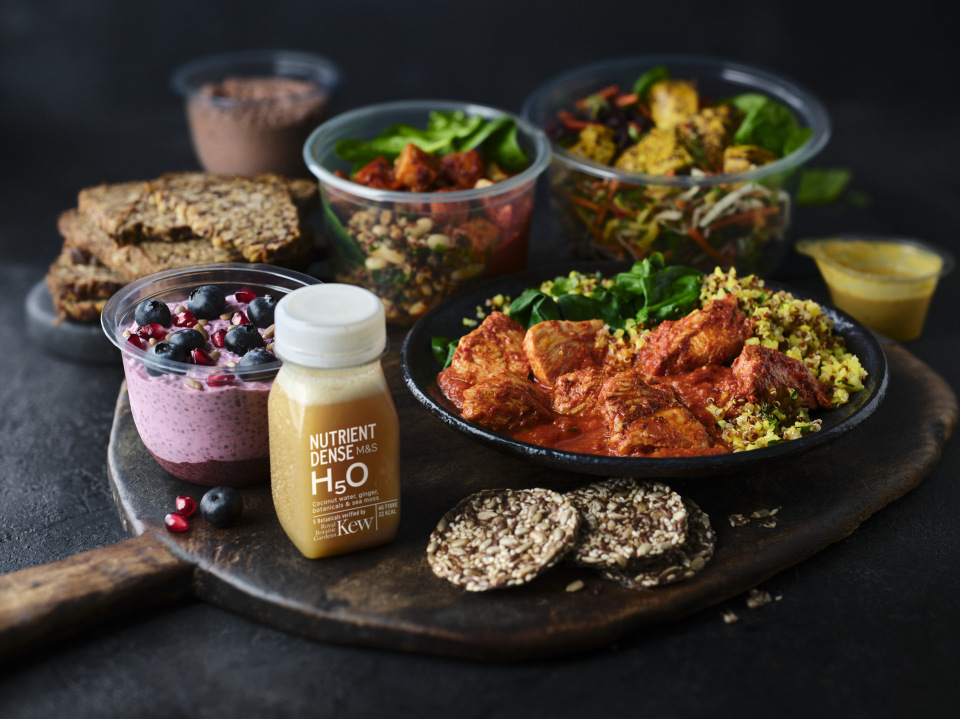
Trending Healthy Diets New Year 2026: The Complete Guide to the Best and Emerging Eating Plans
Estimated reading time: 10 minutes
Key Takeaways
- Nearly half of U.S. adults plan to start a new diet in 2026, highlighting a significant focus on health and well-being [https://www.pcrm.org/news/news-releases/survey-half-us-adults-resolve-start-new-diet-2026].
- True healthy diets in 2026 are evidence-based, sustainable, and focus on complete nutrition, distinguishing them from short-lived fads.
- Key drivers for emerging diets include sustainability, gut health, precision nutrition, and nutrition equity [https://khni.kerry.com/trends-and-insights/key-health-and-nutrition-trends/].
- Top trending diets include Plant-Forward Whole-Food Eating, Precision Nutrition, Gut-Health-Centric Diet, Food-as-Medicine, and Affordable Nutrition & Nutrition Equity.
- Choosing the right diet involves aligning it with personal health goals, budget, lifestyle, preferences, and support systems.
- Sustainable habits like hydration, adequate sleep, stress management, and regular physical activity are crucial for long-term health beyond any specific diet.
Table of contents
- Trending Healthy Diets New Year 2026: The Complete Guide to the Best and Emerging Eating Plans
- Key Takeaways
- Ushering in a Healthier 2026
- What Makes a Diet ‘Trending’ & ‘Healthy’ in 2026?
- Top Healthy Trending Diets for 2026
- Plant-Forward Whole-Food Eating
- Precision Nutrition (AI-Driven Personalization)
- Gut-Health-Centric Diet (Pre-/Pro-/Post-Biotics)
- Food-as-Medicine (Symptom-Responsive Eating)
- Affordable Nutrition & Nutrition Equity
- How to Choose the Best Diet for You in 2026
- Beyond the Trend – Sustainable Habits for a Healthy 2026 and Beyond
- Your Healthiest New Year Starts Now
Ushering in a Healthier 2026
As the calendar turns to a new year, many of us look forward to fresh starts. It’s no surprise that nearly half of U.S. adults plan to start a new diet in 2026, hoping to boost their health and well-being [https://www.pcrm.org/news/news-releases/survey-half-us-adults-resolve-start-new-diet-2026]. This widespread desire for improvement sets the stage for exploring the most impactful trending healthy diets new year 2026.
The world of nutrition is always changing, and 2026 brings exciting new new year 2026 diet trends that go beyond simple weight loss. We’re seeing a shift towards eating plans that focus on overall wellness, science-backed benefits, and long-term sustainability. This guide will help you discover the popular healthy eating plans 2026 has in store. We will look at what makes a diet truly “healthy” and “trending,” explore the top five emerging eating plans, offer a clear guide on how to choose the right one for you, and share timeless habits for lasting health. Get ready to find the best diets to start 2026 with confidence and knowledge.
What Makes a Diet ‘Trending’ & ‘Healthy’ in 2026?
Understanding what makes an eating plan a truly trending healthy diet for 2026 is important. A “trending” diet isn’t just a fleeting craze. It’s a dietary approach that gains widespread attention from media, scientists, and consumers, showing real growth and adoption over the last 12 to 18 months. These are not just fads; they are gaining traction because they offer clear benefits and resonate with current health goals.
For a diet to be considered truly “healthy” in 2026, it must meet several important criteria. It needs to offer complete nutrition, meaning it provides all the vitamins, minerals, and nutrients your body needs. It should also be sustainable, fitting into your daily life for the long haul, not just a few weeks. Long-term adherence is key – an eating plan you can stick with is one that will give you lasting results. Most importantly, healthy diets are evidence-based, supported by scientific research showing measurable positive outcomes for your well-being.
It’s crucial to tell the difference between these beneficial trends and healthy diet fads 2026 might try to promote. Fads often promise quick fixes but lack strong scientific backing. Think of extreme detox cleanses or highly restrictive plans that eliminate entire food groups without good reason. These short-lived trends usually don’t have peer-reviewed research to support their claims and can even be harmful. Instead, the new year healthy eating trends 2026 are built on solid ground.
Many factors are driving these emerging healthy diets 2026. According to Kerry Nutrition & Health Trends for 2026, key themes include sustainability, gut health, precision nutrition (tailoring food to your unique body), and nutrition equity (making healthy food available to everyone) [https://khni.kerry.com/trends-and-insights/key-health-and-nutrition-trends/]. Seattle Sutton’s 2026 Food & Nutrition Trends also highlight a focus on “Quality Over Quantity” (choosing whole, natural foods), “Food as Medicine” (using food to prevent and treat illness), and a “Plant-Based Evolution” (eating more plants in smart ways) [https://seattlesutton.com/blog/2026-food-and-nutrition-trends-to-watch/]. These trends show a shift towards more thoughtful, personalized, and ethical eating.
Top Healthy Trending Diets for 2026
This year, several healthy trending diets for 2026 are standing out. These eating plans offer real benefits, are supported by research, and can help you achieve your wellness goals. Let’s dive into each one.
Plant-Forward Whole-Food Eating
Core Principles
Plant-forward whole-food eating emphasizes making plants the star of your plate. This dietary approach focuses on abundant legumes (like beans and lentils), whole grains (oats, quinoa, brown rice), nuts, seeds, and seasonal vegetables and fruits. The aim is to build meals around these nutritious items while limiting ultra-processed imitation meats and focusing on real, unprocessed plant foods. It’s about adding more plants, not necessarily removing all animal products.
Why it’s trending & healthy
This popular healthy eating plan 2026 is gaining immense popularity because its benefits are clear and well-documented. Research shows significant weight loss: a meta-analysis revealed that people on plant-based diets typically lose between 9.5 and 14.3 pounds on average [https://www.pcrm.org/news/news-releases/survey-half-us-adults-resolve-start-new-diet-2026]. Beyond weight management, plant-based eating is often the most cost-effective weight-loss strategy, leading to lower grocery bills over time [https://www.pcrm.org/news/news-releases/survey-half-us-adults-resolve-start-new-diet-2026]. This approach also aligns perfectly with global goals for sustainability and nutrition equity, as highlighted by Kerry Nutrition & Health Trends [https://khni.kerry.com/trends-and-insights/key-health-and-nutrition-trends/].
Who it’s for
Plant-forward eating is an excellent choice for a wide range of individuals. It’s ideal for people seeking affordable weight loss solutions, those aiming to improve their cardiovascular health, and anyone looking for a more environmentally conscious way to eat. Its flexible nature makes it suitable for individuals who want to explore plant-based benefits without committing to strict veganism.
Distinguishing Features
What sets this best diet to start 2026 apart is its flexible “partial-vegan” approach. It doesn’t demand strict elimination of food groups, making it less daunting and more achievable for many. Instead, it focuses on celebrating flavor and encouraging culinary creativity with vibrant, wholesome ingredients. This means you can enjoy diverse meals and discover new favorites, making healthy eating a joyful experience rather than a restrictive one [https://seattlesutton.com/blog/2026-food-and-nutrition-trends-to-watch/].
Precision Nutrition (AI-Driven Personalization)
Core Principles
Precision nutrition, a standout among new year 2026 diet trends, uses cutting-edge technology to create highly personalized eating plans. It harnesses data from various sources, including genomics (your DNA), microbiome testing (the bacteria in your gut), and real-time information from wearable devices like continuous glucose monitors or heart rate variability (HRV) trackers. This comprehensive data allows for generating tailored, real-time meal recommendations that are perfectly suited to your body’s unique needs and responses.
Why it’s trending & healthy
This approach is rapidly gaining ground as tech moves from niche applications to mainstream affordability. Personalized nutrition, once a luxury, is becoming accessible to more people thanks to advancements in AI and data analysis [https://khni.kerry.com/trends-and-insights/key-health-and-nutrition-trends/]. This method is particularly effective because it significantly improves metabolic control, which is vital for conditions like pre-diabetes and for effective weight management [https://khni.kerry.com/trends-and-insights/key-health-and-nutrition-trends/]. By understanding your body’s specific reactions to different foods, precision nutrition helps optimize your health more effectively than one-size-fits-all advice.
Who it’s for
Precision nutrition is perfect for tech-savvy adults who are comfortable using gadgets and apps to monitor their health. It’s also highly beneficial for individuals with metabolic conditions, as it can offer precise guidance for managing blood sugar and other markers. Athletes seeking performance optimization can also leverage this approach to fine-tune their nutritional intake for peak physical function.
Distinguishing Features
A key differentiator for this emerging healthy diet 2026 is its deep integration of artificial intelligence (AI) and real-time feedback. This isn’t just about general dietary guidelines; it’s about dynamic adjustments based on your body’s moment-to-moment data. It effectively embodies the “food as medicine” philosophy, using advanced apps to deliver highly specific, actionable nutritional advice [https://seattlesutton.com/blog/2026-food-and-nutrition-trends-to-watch/]. This makes it one of the top diets for the new year 2026 for those seeking ultimate personalization.
Gut-Health-Centric Diet (Pre-/Pro-/Post-Biotics)
Core Principles
The gut-health-centric diet focuses on nourishing your gut microbiome – the trillions of beneficial bacteria living in your digestive system. Its core principles involve consuming high-fiber foods, which act as prebiotics to feed healthy gut bacteria. It also emphasizes fermented products like kimchi, kefir, and kombucha, which are rich in probiotics (live beneficial bacteria). This approach increasingly includes targeted pre-biotic and synbiotic supplements, and pays attention to post-biotic compounds that are the beneficial byproducts of bacterial fermentation.
Why it’s trending & healthy
This dietary focus is a major new year healthy eating trend 2026 because scientific understanding of gut health has exploded. It’s now strongly linked to critical bodily functions beyond digestion, including immunity, mental health, and even weight regulation [https://khni.kerry.com/trends-and-insights/key-health-and-nutrition-trends/]. Social trends, such as “Fibermaxxing,” have significantly boosted public awareness about the importance of adequate fiber intake, making this approach relatable and widely discussed.
Who it’s for
This popular healthy eating plan 2026 is particularly beneficial for individuals experiencing digestive sensitivities or issues. It’s also an excellent choice for those with immune-support goals, as a healthy gut is a cornerstone of a strong immune system. Anyone seeking holistic wellness, recognizing the profound connection between gut health and overall well-being, will find this diet valuable. Eating more fermented foods like yogurt and kimchi is a simple way to boost gut health [https://news.virginia.edu/content/meat-cups-kimchi-what-well-be-eating-2026].
Distinguishing Features
What sets the gut-health-centric diet apart from some healthy diet fads 2026 is its emphasis on microbiome diversity and health, rather than just calorie restriction. It’s a holistic approach that seeks to balance your inner ecosystem. It also stands out by incorporating the latest research on “post-biotic” compounds, which are gaining significant scientific traction for their health benefits, pushing beyond traditional probiotic focus.
Food-as-Medicine (Symptom-Responsive Eating)
Core Principles
The Food-as-Medicine diet aligns your meals directly with specific health outcomes, viewing food as a powerful tool for wellness. This approach focuses on eating to achieve goals like blood-pressure reduction, blood-sugar stability, or reducing inflammation. It often uses innovative apps that help track and identify correlations between specific foods you eat and how your symptoms or health markers respond. This creates a highly personalized and therapeutic eating strategy.
Why it’s trending & healthy
This concept is a strong new year 2026 diet trend due to growing recognition and support from institutions. Government and health-system initiatives are increasingly promoting Food-as-Medicine programs, acknowledging the power of diet in healthcare [https://seattlesutton.com/blog/2026-food-and-nutrition-trends-to-watch/]. This approach has demonstrated significant reductions in reliance on medication for chronic diseases when diet is strategically used as a therapeutic intervention [https://www.pcrm.org/news/news-releases/survey-half-us-adults-resolve-start-new-diet-2026]. It empowers individuals to take a proactive role in managing their health through daily food choices.
Who it’s for
The Food-as-Medicine diet is especially beneficial for patients with chronic conditions such as diabetes, heart disease, or autoimmune disorders. It’s also valuable for caregivers who want to support their loved ones’ health through nutrition. Additionally, health-conscious adults seeking preventive strategies to maintain their well-being and avoid future health issues will find this approach highly effective. This makes it one of the top diets for the new year 2026 for targeted health improvements.
Distinguishing Features
This emerging healthy diet 2026 distinguishes itself by moving far beyond the traditional “weight-loss” narrative that often dominates diet discussions. Instead, it embraces a “clinical nutrition” mindset, where food choices are seen as direct interventions for health. It’s about leveraging the medicinal properties of whole foods to address specific physiological needs and achieve measurable health improvements.
Affordable Nutrition & Nutrition Equity
Core Principles
Affordable Nutrition & Nutrition Equity focuses on making healthy eating accessible to everyone, regardless of their income. Its core principles revolve around prioritizing low-cost, nutrient-dense staples. This includes items like beans, lentils, frozen vegetables, fortified grains, and other budget-friendly options that provide maximum nutritional value. This approach also encourages community-based meal planning and resource sharing to further support accessibility.
Why it’s trending & healthy
This healthy trending diet for 2026 is vital because economic factors significantly impact dietary choices. Over 80% of adults report that grocery costs are a major barrier to making diet changes [https://www.pcrm.org/news/news-releases/survey-half-us-adults-resolve-start-new-diet-2026]. This trend directly addresses these concerns, demonstrating that healthy eating doesn’t have to be expensive. It also aligns with global equity goals, as highlighted by Kerry Nutrition & Health Trends, which emphasize making good nutrition attainable for all populations [https://khni.kerry.com/trends-and-insights/key-health-and-nutrition-trends/].
Who it’s for
This eating plan is essential for budget-conscious families, students, and anyone living in areas where access to affordable, fresh, and nutritious food is challenging (often called food-insecure areas). It shows that financial constraints don’t have to prevent you from eating well and staying healthy. It is truly one of the best diets to start 2026 for its practicality and broad applicability.
Distinguishing Features
The unique aspect of this new year healthy eating trend 2026 is its powerful message: good health does not require expensive, premium health products or organic labels. It champions the idea that smart choices with everyday ingredients can lead to excellent health outcomes. This approach often leverages strategies like bulk cooking, meal prepping, and utilizing community resources to make nutritious food more available and affordable for everyone.
How to Choose the Best Diet for You in 2026
Choosing the best diet to start 2026 can feel overwhelming with so many great options. To simplify this decision, consider a decision-making framework that evaluates key factors based on your personal situation. This will help you identify the top diets for the new year 2026 that genuinely fit your life.
Here’s a checklist of factors to evaluate:
- Health Goals: What are you trying to achieve? Are you aiming for weight loss, better chronic-disease management (like diabetes or heart health), improved gut health, increased longevity, or enhanced energy? Different eating plans are better suited for specific outcomes.
- Budget & Accessibility: How much are you willing or able to spend on food? Compare the cost-effectiveness of plant-forward meals, which are generally very affordable, against the potential investment in tech subscriptions or specialized ingredients required for precision nutrition. Remember, over 80% of adults prioritize grocery cost when choosing a diet [https://www.pcrm.org/news/news-releases/survey-half-us-adults-resolve-start-new-diet-2026]. Nutrition equity, as seen in the Kerry trends, emphasizes making healthy eating financially viable for everyone [https://khni.kerry.com/trends-and-insights/key-health-and-nutrition-trends/].
- Lifestyle & Time: How much time can you realistically dedicate to meal preparation and cooking? Consider your current cooking skills, how often you travel, and if your chosen diet can accommodate your social life. A diet that’s too demanding will be hard to maintain.
- Dietary Preferences & Restrictions: Do you have any allergies, intolerances, or strong preferences (e.g., vegetarian, gluten-free)? Ensure the chosen diet aligns with these.
- Support System: Do you have family or friends who will support your dietary changes? Shared cooking and eating habits can make adherence much easier.
Once you’ve considered these factors, here are some actionable steps to help you select and integrate a new plan:
- List Personal Priorities: Write down your top 2-3 health goals, your budget limits, and the time you can commit.
- Match Priorities to Diets: Review the five what are trending diets 2026 we discussed and see which one (or combination) best aligns with your prioritized factors.
- Test with a 2-Week Pilot: Don’t overhaul everything at once. Pick one diet and try it for two weeks. During this pilot, track how your energy levels, mood, and satiety (how full and satisfied you feel) are affected.
- Adjust and Consult a Professional: Based on your pilot experience, adjust the plan as needed. If you have underlying health conditions or are considering significant dietary changes, always consult a registered dietitian or your doctor. Professional guidance ensures your choices are safe and effective for your unique health profile.
Beyond the Trend – Sustainable Habits for a Healthy 2026 and Beyond
While focusing on new year healthy eating trends 2026 provides excellent structure, remember that diets are simply frameworks. True, lasting health comes from building sustainable habits that support any eating plan you choose. Relying solely on a diet, without these foundational wellness practices, can make you vulnerable to falling for healthy diet fads 2026 that promise quick fixes but don’t teach you lasting skills.
Here’s a core list of habits, each with a brief reason why it’s so important:
- Hydration: Drinking enough water throughout the day is crucial. It supports your metabolism, aids digestion, and is essential for good gut health, a key trend for 2026 [https://khni.kerry.com/trends-and-insights/key-health-and-nutrition-trends/]. Water helps your body process nutrients and eliminate waste.
- Sleep (7-9 hours): Getting 7 to 9 hours of quality sleep each night is non-negotiable for health. It regulates hormones that control appetite and weight, ensuring you don’t crave unhealthy foods due to fatigue. Lack of sleep can disrupt your body’s natural balance.
- Stress Management: Chronic stress can have a huge negative impact on your physical health. It can impair your gut barrier function and weaken your immune system, making it harder for your body to absorb nutrients and fight off illness [https://khni.kerry.com/trends-and-insights/key-health-and-nutrition-trends/]. Finding healthy ways to manage stress, like mindfulness or exercise, is key.
- Regular Physical Activity: Moving your body consistently works synergistically with any healthy diet. Regular exercise offers immense cardiovascular and metabolic benefits, strengthens your muscles and bones, and boosts your mood. It’s a powerful partner to your eating plan.
- Consistency Over Perfection: The journey to health is not about being perfect all the time. Research shows that consistent 80% adherence to a healthy eating pattern long-term is far more effective than short bursts of extremely strict dieting [https://www.pcrm.org/news/news-releases/survey-half-us-adults-resolve-start-new-diet-2026]. Embrace progress, not perfection.
These fundamental popular healthy eating plans 2026 habits are the backbone of any successful long-term health strategy. They prevent you from falling into the trap of short-term, unsustainable approaches. By integrating these habits, you build a resilient foundation for wellness that will serve you far beyond the latest diet craze.
Your Healthiest New Year Starts Now
As we wrap up our guide to the trending healthy diets new year 2026, it’s clear that the future of nutrition is exciting, personalized, and deeply connected to overall well-being. We’ve explored five top trends: Plant-Forward Whole-Food Eating, Precision Nutrition, Gut-Health-Centric Diet, Food-as-Medicine, and Affordable Nutrition & Nutrition Equity. Each offers unique pathways to better health.
The good news is that these trending healthy diets for 2026 are not about deprivation or unrealistic expectations. Instead, they are evidence-based, affordable, and adaptable to your unique life. They represent a significant evolution in how we approach food – moving beyond temporary fixes towards sustainable, impactful lifestyle changes. This new era of eating plans prioritizes lasting wellness over fleeting results.
Now it’s your turn. Take the information you’ve learned, pick one dietary approach that truly resonates with your goals and lifestyle, and set a concrete 30-day goal. Perhaps it’s to incorporate plant-based meals three times a week, or to start tracking your food-symptom connections with an app. We encourage you to share your progress and insights in the comments below or on social media using #Healthy2026. Let’s make the new year 2026 diet trends work for you, paving the way for your healthiest year yet. Remember, the best diets to start 2026 are the ones you can truly make your own.
FAQ
What is the main difference between a “trending” diet and a “fad” diet?
A trending diet gains traction because it’s supported by research, offers real benefits, and is sustainable for long-term health. A fad diet, on the other hand, often promises quick fixes, lacks scientific evidence, and is typically restrictive and unsustainable.
Are these trending diets expensive?
Not necessarily. While some, like Precision Nutrition, might involve technology costs, others like Plant-Forward Whole-Food Eating and Affordable Nutrition & Nutrition Equity are designed to be budget-friendly. The key is to choose a diet that fits your financial reality.
Can I combine elements from different trending diets?
Absolutely! Many of these trends are complementary. For instance, you could adopt a plant-forward approach while also focusing on gut health or using food-as-medicine principles for specific health goals. The most effective strategy is often a personalized one.
How long does it take to see results from these diets?
Results vary based on the individual, the specific diet chosen, and adherence. For sustainable health improvements, focus on consistency rather than rapid, short-term changes. Visible results might take weeks or months, but you may feel improvements in energy and well-being sooner.
Should I consult a professional before starting a new diet?
It’s highly recommended, especially if you have pre-existing health conditions, are pregnant or breastfeeding, or are making significant dietary changes. A registered dietitian or doctor can help you choose the safest and most effective plan for your individual needs.