
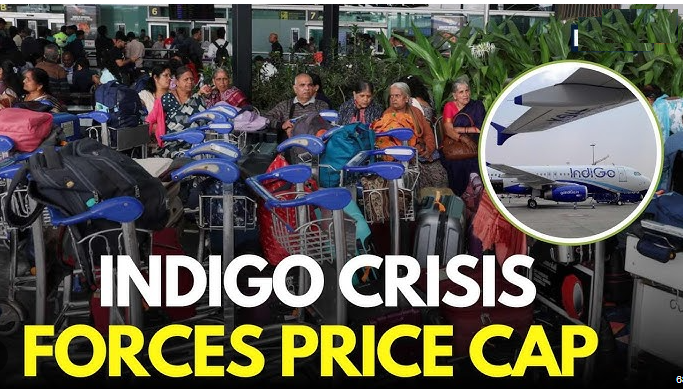
IndiGo Flight Fare Cap News: All You Need to Know About the New Government Directive, Deadline, and Airline Response
Estimated reading time: 8 minutes
Key Takeaways
- The Indian government imposed new maximum fares on domestic flights, including IndiGo, effective December 6, 2025.
- This directive was a direct response to a major disruption at IndiGo, *India’s largest airline*, which led to **sky-high ticket prices**.
- IndiGo was given a strict **48-hour deadline** to normalize operations and comply with the fare caps.
- The caps are temporary and based on flight distance, ranging from ₹7,500 to ₹18,000 for economy class.
- The government’s action sets a new precedent for **passenger protection** during market disruptions.
Table of contents
- IndiGo Flight Fare Cap News: All You Need to Know About the New Government Directive, Deadline, and Airline Response
- Key Takeaways
- Introduction: Breaking Down the IndiGo Flight Fare Cap News
- Understanding the Government Directive: Why Government Capping IndiGo Ticket Prices Happened
- What Is the New IndiGo Flight Fare Rule?
- The Critical Timeline: Explaining the IndiGo Fare Normalization Deadline
- IndiGo’s Anticipated Reaction: IndiGo Response to Fare Cap Directive
- Broader Implications: Impact on Air Travel and the Aviation Industry
- Conclusion: Navigating the New Era of Airfare Regulations
- Frequently Asked Questions (FAQs)
Introduction: Breaking Down the IndiGo Flight Fare Cap News
On December 6, 2025, India’s government made big headlines with important IndiGo flight fare cap news. The Ministry of Civil Aviation (MoCA) put a limit on how much airlines, including IndiGo, can charge for domestic flights. This was a direct response to a major flight problem that caused ticket prices to go sky-high.
This new directive matters a lot for everyone. Travelers need to know what they should pay. Companies that plan trips for their staff (corporate travel planners) need to understand how this changes their budgets. The entire airline business also needs to adapt to this new rule.
The situation is quite urgent. The government set an IndiGo fare normalization deadline, telling the airline to fix its operations and prices within just two days. This means people need clear information right away to understand how this government capping IndiGo ticket prices will affect their travel plans.
Between December 1 and 7, 2025, IndiGo, India’s largest airline, had to cancel over 2,100 flights. This massive disruption caused a lot of problems for passengers and led to the government stepping in. The ongoing disruptions have also been a topic of news, with live updates on cancellations and delays. You can find more details on IndiGo Flight Disruption News Updates Today: Live Cancellations, Delays & Minister Statement.
Understanding the Government Directive: Why Government Capping IndiGo Ticket Prices Happened
The main reason for the government capping IndiGo ticket prices was a big problem with airline operations. IndiGo, a major player in Indian aviation, faced a crisis because of new rules called Flight Duty Time Limitation (FDTL). These rules were put in place to make sure pilots don’t get too tired. They limit how long pilots can fly and require more rest.
Because of these pilot-fatigue limits, IndiGo had to change its flight schedules and pilot rosters very quickly. This led to thousands of flight cancellations, leaving many passengers stranded. The airline just didn’t have enough pilots available to fly all its planned routes under the stricter new rules.
When so many flights were canceled, the prices for available seats on other flights, even on other airlines, shot up dramatically. For instance, airfares on some routes increased by 7 to 8 times their normal cost. A flight from Delhi to Mumbai, which usually costs much less, was seen priced over ₹22,000. This created a huge problem for travelers.
This situation led to a lot of complaints from the public and even in the Indian Parliament. People felt that airlines were taking advantage of their distress by charging such high prices.
The Ministry of Civil Aviation (MoCA) is the government body that issued this new order. They have the legal power to do this under the Aircraft Act, which allows them to oversee and regulate air travel in India.
The main reason for the IndiGo flight fare cap news was to protect passengers. The government wanted to stop airlines from making “opportunistic pricing” decisions, which means charging extremely high prices when people have no other choice. This was especially important for vulnerable travelers like senior citizens, students, and patients who needed to travel urgently but couldn’t afford the inflated costs. The MoCA said their goal was “to maintain pricing discipline… and ensure that citizens… are not subjected to financial hardship.”
What Is the New IndiGo Flight Fare Rule?
The IndiGo flight fare cap news brings in new maximum prices for domestic flights. These are like a ceiling on how much airlines can charge for economy class tickets. Remember, these prices do not include extra charges like airport taxes or levies.
Here are the details of the tiered fare caps based on how far you fly:
- **For flights up to 500 kilometers (km)**: The maximum fare is ₹7,500.
- **For flights between 500 km and 1,000 km**: The maximum fare is ₹12,000.
- **For flights between 1,000 km and 1,500 km**: The maximum fare is ₹15,000.
- **For flights over 1,500 km**: The maximum fare is ₹18,000.
It’s important to know about some exceptions to what is the new IndiGo flight fare rule:
- **Business Class Flights**: These higher-priced tickets are not covered by the cap.
- **Regional Connectivity Scheme (RCS) Flights**: Flights that are part of government programs to connect smaller towns are also exempt.
- **Taxes and Airport Levies**: The cap applies only to the basic fare. Additional taxes and airport charges will still be added.
This new rule applies to all places where you can buy a ticket. Whether you book directly on an airline’s website, through online travel agencies (OTAs), or with a local travel agent, the fare caps must be followed. This ensures that everyone pays fair prices.
The government has said these caps will stay in place “until fares stabilise or further review.” This means they are temporary. The caps could be removed with just 24 hours’ notice once the number of flight cancellations drops to a very low, single-digit level.
To make sure airlines follow these rules, the MoCA will closely watch real-time flight price data. If an airline does not follow the caps, it could face “corrective action” under the Aircraft Act. This strong warning shows the government is serious about the government capping IndiGo ticket prices.
The Critical Timeline: Explaining the IndiGo Fare Normalization Deadline
The Indian government gave IndiGo a very short, specific timeframe to fix its issues. The airline was given just 48 hours, around December 5-6, 2025, to get its operations back to normal and make sure its ticket prices matched the new caps. This tight IndiGo fare normalization deadline shows how quickly the government wanted to address the public’s problems.
So, what exactly does “normalization” mean in this context?
- **Re-establish Crew Rosters**: IndiGo had to quickly rearrange its pilot and cabin crew schedules to meet the new FDTL rules.
- **Resume Network Operations**: The airline aimed to get back to operating at least 95% of its flight network, which means flying to about 135 out of its 138 usual destinations.
- **Adjust Pricing Systems**: IndiGo needed to update its ticket selling systems to reflect the new capped fares. This includes making sure cheaper tickets are available and not just selling very expensive ones.
For airlines, this means they had to work fast. They needed to change their pricing computers and open up more seats at lower, capped prices. The government also warned airlines to avoid “steep upward revisions,” meaning they should not quickly raise prices again once the immediate crisis passes.
For travelers, this deadline had clear implications. It was advised to check ticket prices after December 6 to ensure they were within the new government-mandated limits. If you think you’ve been overcharged or have a dispute, you can use the Directorate General of Civil Aviation (DGCA)’s AirSewa portal to report it. Also, it was a good idea to book quickly, especially for urgent travel, while these lower-priced tickets are available.
The government also said they would keep watching the situation. The caps would stay in place until flights became regular again, and they could be lifted with just 24 hours’ notice if cancellations drop to single-digit numbers. This shows that the IndiGo flight fare cap news is a temporary measure.
IndiGo’s Anticipated Reaction: IndiGo Response to Fare Cap Directive
Following the IndiGo flight fare cap news and the strict directives, IndiGo issued statements focusing on its recovery efforts and commitment to comply. An IndiGo spokesperson stated that the airline had “re-established over 95% of network connectivity,” meaning they could operate flights to 135 out of their 138 normal destinations. This suggests a swift IndiGo response to fare cap directive by the airline to bring back normalcy.
To help IndiGo cope with the new Flight Duty Time Limitation (FDTL) rules, the DGCA provided some special help. They temporarily allowed IndiGo pilots to make more night landings, going from 2 to the original 6. They also increased the maximum night-flight hours from 8 to 10 hours in a day. These temporary changes aimed to give IndiGo more flexibility to manage its crews and reduce cancellations.
IndiGo also had to take several operational steps:
- **Crew Roster Realignment**: They had to quickly change pilot and cabin crew schedules to fit the new FDTL rules. They also needed to hire and train more staff to prevent future disruptions.
- **System Upgrades**: The airline’s booking and pricing systems needed to be updated to automatically apply the new fare caps across its website and all other sales channels.
- **Capacity Augmentation**: IndiGo planned to add more flights or bigger planes on popular routes like Delhi-Mumbai and Delhi-Bengaluru to meet the high demand.
These measures, while necessary, will have a financial impact. The IndiGo fare normalization deadline and the imposed fare caps mean that IndiGo cannot charge premium prices even during high demand. This will squeeze their profit margins, especially when combined with the costs and reduced capacity from flight cancellations.
IndiGo’s strategy appears to be focused on getting back to stable operations rather than fighting the government’s orders. This *pragmatic approach* reflects the understanding that compliance is crucial. Once the caps are lifted and things are normal again, IndiGo might make longer-term pricing adjustments.
Broader Implications: Impact on Air Travel and the Aviation Industry
The IndiGo flight fare cap news has wider effects for both travelers and the entire aviation industry. This government intervention is a big deal and could change things for a long time.
For travelers, the most immediate benefit is price relief. The caps helped bring down average flight costs by about 45% in the first week of December, after they had spiked severely. This helps everyday passengers, students, and families.
Corporate travel managers also gained some predictability in their budgets. While they usually deal with changing prices, the government capping IndiGo ticket prices gave them short-term certainty. However, they still need to plan for when these temporary caps might be removed, as prices could become volatile again.
To help travelers, the Indian Railways also stepped in. They ran 89 special trains, offering about 63,000 extra berths (beds) on busy routes like Delhi-Mumbai, especially between December 1 and 10. This shows that the government used other transport options to ease the travel crunch.
This is the first time in a long while that the Indian government has put such widespread price limits on flights since the aviation market became more open. It sends a clear message: the government is ready to act fast to protect passengers during future crises. This creates a new regulatory precedent for how India handles major airline disruptions.
The incident also highlighted issues in the market. IndiGo has more than 60% of the domestic market share, meaning it carries most Indian passengers. When such a big airline has problems, it affects the whole country’s travel. This might lead to new rules about how much capacity airlines must have or encourage more competition to reduce this systemic risk.
Looking ahead, airlines might need to build more “crisis-resilience” into their plans. This means having better ways to manage crew, more flexible operations, and different ways to make money, so they don’t have to rely so much on just ticket sales during tough times. This could help them avoid similar government fare cap interventions in the future. The IndiGo fare normalization deadline served as a wake-up call for the entire industry.
Conclusion: Navigating the New Era of Airfare Regulations
The IndiGo flight fare cap news in December 2025 marks a significant moment for India’s aviation sector. It shows the government’s strong commitment to stepping in when market disruptions cause severe hardship for travelers. The government intervened because of IndiGo’s operational crisis, which was caused by new pilot fatigue rules, and the resulting surge in flight ticket prices.
In essence, the government told airlines, including IndiGo, to stop charging excessively high fares. The new rules introduced specific price caps for economy class tickets based on flight distance, ranging from ₹7,500 to ₹18,000. While these caps are temporary, the IndiGo fare normalization deadline of two days for the airline to comply was very strict. IndiGo’s expected IndiGo response to fare cap directive has been one of compliance and a focus on restoring its operations.
For travelers, the key takeaways are to always check ticket prices to ensure they align with the government caps and to use the AirSewa portal for any complaints. For those in the industry, it’s crucial to keep an eye on updates from the Ministry of Civil Aviation and be ready for potential price changes once the caps are eventually lifted.
This whole episode might change how India’s aviation market works. It shows a new balance between allowing airlines to set their own prices and protecting passengers from unfair costs during emergencies. The government is willing to act to safeguard the public interest, suggesting a new era of careful oversight in the aviation sector.
Frequently Asked Questions (FAQs)
Q1: What is the main reason for the IndiGo flight fare cap?
The primary reason was IndiGo’s operational disruptions caused by new pilot Flight Duty Time Limitation (FDTL) rules, leading to mass flight cancellations and exorbitant ticket prices. The government intervened to protect passengers from “opportunistic pricing.”
Q2: How long will these fare caps be in effect?
The caps are temporary and will remain “until fares stabilise or further review.” They can be lifted with 24 hours’ notice once flight cancellations drop to single-digit numbers.
Q3: Do the new fare caps apply to all types of flights?
The caps apply to domestic economy class tickets. Business class flights and flights under the Regional Connectivity Scheme (RCS) are exempt. Additionally, the caps cover only the basic fare, not taxes or airport levies.
Q4: What was the deadline for IndiGo to comply with the new directives?
IndiGo was given a strict 48-hour deadline (around December 5-6, 2025) to normalize its operations, including crew rostering and pricing systems, to align with the government’s fare caps.
Q5: What should I do if I believe I’ve been overcharged?
If you suspect you’ve been overcharged beyond the government’s fare caps, you can report it through the Directorate General of Civil Aviation (DGCA)’s AirSewa portal.