
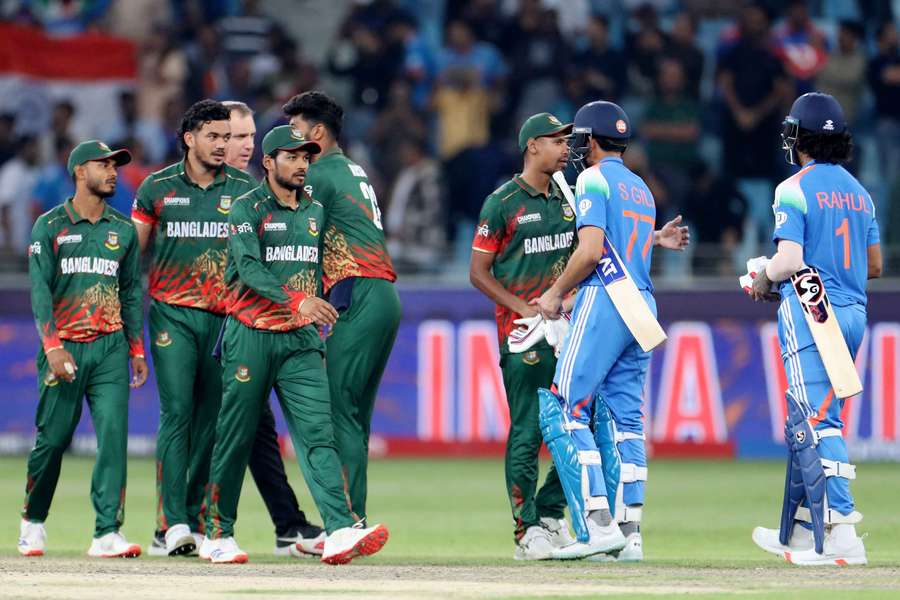
ICC T20 World Cup Matches Location: Latest on Bangladesh’s Desire to Move Games
Introduction
A critical debate is unfolding over the ICC T20 World Cup matches location for 2026, capturing the attention of cricket fans and officials worldwide. Bangladesh, a prominent cricketing nation, has made a formal and significant request to the International Cricket Council (ICC). This request seeks to shift all its scheduled matches out of India, where the tournament is co-hosted, and into Sri Lanka, the other co-hosting nation. This isn’t just a logistical shuffle; it’s a profound move that touches on security, national pride, and the intricate dynamics of international cricket governance. The significance of the upcoming ICC huge decision Bangladesh T20 World Cup cannot be overstated, as it will shape the tournament’s structure and potentially set a precedent for future event management.
This article will delve into the heart of this unfolding situation. We will explore Bangladesh’s precise stance and the underlying reasons driving their desire for a T20 World Cup venue change. We will then examine the ICC’s vital authority in such matters, detailing its decision-making processes and the criteria it uses for venue alterations. Furthermore, we will bring you the very latest reports and official statements regarding the situation, outlining potential outcomes. Finally, we will consider what this unprecedented situation could mean for the entire tournament, the participating teams, the passionate fan base, and the broader landscape of cricket’s global administration. The ultimate ICC Bangladesh T20 World Cup decision will be a defining moment for the 2026 event.
Understanding Bangladesh’s Stance: Why the Desire for a Move?
Bangladesh’s decision to formally request a relocation of its upcoming T20 World Cup matches is multifaceted, stemming from both stated security concerns and broader diplomatic friction. The Bangladesh Cricket Board (BCB) officially submitted a request to the ICC, the sport’s global governing body, to relocate its matches, citing explicit security concerns as the primary driver. This crucial move indicates a serious apprehension about the safety and well-being of its players and support staff should they compete on Indian soil during the global cricketing spectacle. This crucial move highlights the importance of player safety in international cricket tournaments. The request underlines the BCB’s commitment to ensuring the most secure environment for its national team during such a high-stakes competition. For the Bangladesh T20 World Cup matches move to be considered, such concerns must be robust and well-articulated.
Bangladesh’s T20 World Cup 2026 matches may be moved out of India by the ICC – report
Adding considerable weight to the BCB’s stance, the interim government of Bangladesh has become directly involved in the matter. This governmental intervention elevates the issue from a mere sporting request to a matter of national importance and diplomatic concern. Interim Sports Adviser Asif Nazrul delivered a powerful statement reflecting the nation’s strong feelings on the subject: “We will not tolerate the humiliation of Bangladesh, Bangladeshi cricket, or Bangladeshi cricketers.” This quote suggests that the desire for a T20 World Cup venue change is not solely about security but also deeply rooted in a perception of unfair treatment or disrespect towards Bangladesh in the broader cricketing ecosystem. Such an emphatic statement from a government official highlights the seriousness with which Bangladesh views the situation and its determination to express desire move T20 World Cup fixtures.
Same Yardbarker article (government statement)
Beyond the immediate security claims and government statements, underlying tensions have been simmering between the BCB and the Board of Control for Cricket in India (BCCI), the Indian cricket governing body. Recent friction points include the controversial removal of Bangladeshi fast bowler Mustafizur Rahman from the Indian Premier League (IPL) for its 2026 season. This incident, perceived by many in Bangladesh as a slight, has contributed to an atmosphere of strained relations. Further discussion on player transfers and their impact can be found in our article on How Does IPL Player Trade Work?. Furthermore, there have been discussions within Bangladesh about the serious consideration of halting IPL broadcasts within the country. This potential move is a significant commercial threat, demonstrating the depth of Bangladesh’s frustration and its willingness to use various forms of leverage in the ongoing dispute regarding the T20 World Cup matches India Bangladesh. These accumulated grievances contribute to the BCB’s firm position on the Bangladesh T20 World Cup matches move.
Bangladesh-India cricket tensions after Mustafizur’s IPL removal
The ICC’s Authority and Decision-Making Process
The International Cricket Council (ICC) stands as the undisputed global governing body for cricket, playing a pivotal role in the administration and development of the sport worldwide. One of its most critical responsibilities is the meticulous planning, organization, and execution of major international tournaments, including the prestigious T20 World Cup. This encompasses everything from setting the tournament regulations to selecting and confirming the tournament hosts and their respective venue allocation. The ICC’s mandate includes thorough security assessments of all proposed locations and the formalization of host-country agreements, which lay out the obligations and responsibilities of the nations hosting the event. Therefore, any decision regarding the ICC ruling T20 World Cup locations rests squarely with this powerful organization, ensuring fairness and adherence to global standards for all participating nations and their teams. The process of determining the T20 World Cup matches host country decision involves complex negotiations and evaluations.
When a request for venue changes arises, particularly one citing substantial concerns like security, the ICC follows a stringent protocol to ensure a fair, comprehensive, and well-reasoned decision. Several main criteria are rigorously evaluated when considering such a significant alteration to the tournament schedule. These criteria include, but are not limited to: the paramount safety of all players, officials, and support staff; the receipt of clear and robust government assurances regarding security and logistical support; the adequacy and readiness of venue infrastructure in the proposed alternative locations; the complex broadcast logistics and technical requirements; and the existing contractual obligations with co-hosts and commercial partners. A security-related request, such as the one submitted by Bangladesh, automatically triggers a formal review under the ICC’s established “Venue-Change Protocol.” This structured approach ensures that the ICC decision on T20 World Cup India matches is made based on objective criteria, professional assessments, and transparent governance, aiming to uphold the integrity of the sport and the safety of its participants. This process is central to the ICC Bangladesh T20 World Cup decision.
Learn more about how the ICC selects World Cup hosts and manages event logistics
In assessing Bangladesh’s request, the concept of co-hosting flexibility becomes a crucial factor. The 2026 T20 World Cup is already structured to be co-hosted by two nations, India and Sri Lanka. This existing framework provides a viable pathway for addressing Bangladesh’s concerns without fundamentally altering the tournament’s two-host format. Reports indicate that if Bangladesh’s request for relocation is approved, a practical solution would be to have both Pakistan and Bangladesh play all their scheduled matches in Sri Lanka. This arrangement would preserve the established co-host format and leverage Sri Lanka’s existing infrastructure and readiness as an official tournament host. Such a move demonstrates the ICC’s capacity for adaptive planning within its governance framework, allowing for flexibility to address unforeseen circumstances or legitimate concerns raised by member boards while maintaining the overall integrity and structure of the global event. This strategic option reflects a potential ICC ruling T20 World Cup locations that balances practicalities with member nation concerns, influencing the ultimate T20 World Cup matches host country decision.
If approved, both Pakistan and Bangladesh would play in Sri Lanka
Latest Developments: Reports, Statements, and Potential Outcomes
The situation regarding Bangladesh’s request to relocate its T20 World Cup matches is continuously evolving, with recent statements and media reports providing critical insights into the ICC’s potential path forward.
-
BCB’s Formal Communication: Following an urgent and comprehensive emergency board meeting held in Dhaka, the Bangladesh Cricket Board acted decisively. The BCB officially communicated its formal request to the International Cricket Council, seeking the relocation of its scheduled World Cup matches. This action underscores the seriousness with which Bangladesh views its concerns, making the Bangladesh T20 World Cup matches move an official agenda item for the ICC. This was not a casual inquiry but a structured appeal from a member board.
NDTV report on BCB’s emergency meeting -
ICC’s Current Stance: While the ICC has not yet issued a definitive, final ruling or an official public announcement on Bangladesh’s request, media reports suggest a receptive stance from the global governing body. According to various media outlets, including NDTV, the ICC is reportedly “open to moving Bangladesh’s matches to Sri Lanka.” This indicates that the ICC is not dismissing the concerns outright and is actively considering the feasibility and implications of such a relocation. This openness signals that the ICC huge decision Bangladesh T20 World Cup will be carefully weighed, acknowledging the diplomatic and security dimensions involved. The ICC decision on T20 World Cup India matches is clearly under serious review.
Same NDTV article -
Government Pressure Tactics: The involvement of the Bangladesh interim government has introduced a significant dimension of state-level pressure into what might otherwise be a purely sporting dispute. The government’s consideration of halting IPL broadcasts within Bangladesh serves as a clear indication of the commercial and diplomatic leverage it is willing to exert. This tactic highlights that the dispute extends beyond the cricket pitch, touching upon economic and bilateral relations between the two nations. Such a strong signal underscores Bangladesh’s resolve in its desire for a T20 World Cup venue change, demonstrating the depth of feeling surrounding the T20 World Cup matches India Bangladesh.
Yardbarker article on broadcast threat - Timeline and Next Steps: The ICC’s decision-making process for such a complex request typically involves several stages. An internal review, consultation with security experts, discussions with both the BCB and the BCCI, and possibly an assessment of Sri Lanka’s capacity to absorb additional matches are all likely components. While no official timeline has been released, similar high-stakes decisions by international sports bodies often take approximately 4-6 weeks from formal submission to final announcement. Potential outcomes could include a full relocation of all Bangladesh matches to Sri Lanka, a partial shift where only certain high-risk games are moved, or, less likely given the strong stance, a decision to maintain the status quo. The ICC would communicate its final determination to all relevant stakeholders—member boards, commercial partners, and host countries—through official channels, ensuring transparency in this critical period leading up to the 2026 tournament.
What This Means for the Tournament and Fans
A decision by the ICC to relocate Bangladesh’s T20 World Cup matches would trigger a ripple effect across numerous facets of the tournament, impacting everything from operational logistics to the fan experience and broader governance. This potential shift of the ICC T20 World Cup matches location demands a thorough examination of its implications.
Operational Impact of Relocating Matches
Should the Bangladesh T20 World Cup matches move to Sri Lanka, the immediate operational impact would be substantial. Teams scheduled to play Bangladesh would need their travel itineraries revised, potentially altering flight bookings, accommodation arrangements, and training schedules. The tournament’s entire match schedule would require a significant reshuffle to accommodate the new venues and ensure fair rest periods and travel times for all teams. This complex task involves coordinating with various cricketing boards, broadcast partners, and local organizing committees. Furthermore, new logistical arrangements would be necessary at the designated Sri Lankan venues, such as those in Colombo and Hambantota. This includes allocating practice facilities, ensuring adequate security provisions, and managing local transport for teams and officials, all of which represent a considerable undertaking to ensure a seamless transition for the affected matches.
Fan Experience and Ticketing
The fan experience would also be significantly affected by a venue change. For supporters who have already purchased tickets for Bangladesh’s originally scheduled matches in Indian cities like Kolkata or Mumbai, a relocation would necessitate a clear and efficient process for ticket refunds or exchanges. This could lead to disappointment for some fans, particularly the large Bangladeshi diaspora living in India who may have planned to attend games close to home. Conversely, a move to Sri Lanka would open up new ticketing opportunities for fans in that country and for Bangladeshi fans traveling from their homeland. Tournament organizers would need to implement robust communication strategies to inform fans about the changes, new ticketing options, and any revised travel advisories. The implications for the T20 World Cup matches India Bangladesh extend far beyond the pitch, directly touching the dreams and plans of thousands of passionate followers. This highlights the importance of timely communication for fans who desire to witness the T20 World Cup matches.
How to Buy T20 World Cup 2026 Tickets Online: Your Official Guide to Securing Your Spot
Broadcast and Commercial Implications
Relocating matches introduces a complex array of broadcast and commercial implications. A shift to Sri Lanka would inevitably mean timezone adjustments for scheduled match timings, which could impact viewership figures in key global markets, especially for prime-time broadcasts. This might necessitate potential renegotiation of broadcast rights with various media partners to account for the change in venue and schedule. Furthermore, the broader commercial landscape of the tournament could be affected. The previously mentioned threat from Bangladesh’s government to pull IPL coverage demonstrates how such disputes can spill over into significant commercial relationships between cricketing nations. The ICC decision on T20 World Cup India matches could therefore have long-reaching effects on revenue streams and commercial partnerships. The ICC huge decision Bangladesh T20 World Cup will undoubtedly be watched closely by all commercial entities invested in the sport.
Broader Cricket Governance and Precedent
The ICC’s handling of Bangladesh’s request holds substantial implications for the broader framework of cricket governance. How this case is adjudicated could set a critical precedent for future security-related venue disputes or similar requests from member boards. The decision will clarify the extent of flexibility the ICC is willing to exercise in response to geopolitical tensions, security concerns, or bilateral disputes between cricketing nations. It will also define the processes and criteria that will be applied in similar situations moving forward. This makes the ICC ruling T20 World Cup locations a landmark moment, potentially shaping how the T20 World Cup matches host country decision-making evolves in an increasingly complex global sporting environment. The clarity and perceived fairness of the ICC’s resolution will be crucial for maintaining confidence and stability within international cricket administration.
Guide on Travel tips for cricket fans attending overseas tournaments
Conclusion: Awaiting the Final Word
The ongoing dispute regarding the ICC T20 World Cup matches location for 2026 presents a significant challenge for international cricket. At its core, the conflict pits Bangladesh’s security-driven request for venue relocation against the ICC’s established authority in allocating tournament venues and ensuring global event stability. While security concerns are officially cited, the direct involvement of the Bangladesh interim government and its strong rhetoric suggest deeper diplomatic friction and institutional pride are also at play, making the ICC Bangladesh T20 World Cup decision a multifaceted challenge.
As of now, the ICC has yet to issue its definitive final ruling on Bangladesh’s request to move its matches from India to Sri Lanka. This crucial decision, expected in the coming weeks, will not only resolve the immediate venue uncertainty but will also profoundly shape the 2026 tournament’s structure and execution. The outcome will set an important precedent for how the ICC navigates similar complex issues of security, politics, and member nation concerns in the future, impacting how the ICC ruling T20 World Cup locations are determined. We invite our readers to stay closely updated as the ICC huge decision Bangladesh T20 World Cup unfolds, promising to be a landmark moment in the journey towards the next global T20 spectacle and influencing every future T20 World Cup matches host country decision.
Frequently Asked Questions
-
Q1: Why does Bangladesh want to move its T20 World Cup matches?
Bangladesh has formally requested the ICC to move its matches out of India due to stated security concerns for its players and support staff.
-
Q2: Who makes the final decision on venue changes for the T20 World Cup?
The International Cricket Council (ICC) has the ultimate authority to decide on any venue changes for its tournaments.
-
Q3: What are the potential outcomes of Bangladesh’s request?
Possible outcomes include relocation of all Bangladesh matches to Sri Lanka, a partial shift of games, or the decision to maintain the current schedule.
-
Q4: How might this decision impact the fans?
Fans may face issues with ticket refunds or exchanges, and new ticketing opportunities could arise in the alternative venue. Communication from organizers will be key.
-
Q5: Could this set a precedent for future ICC decisions?
Yes, the ICC’s handling of this request could establish a precedent for how it addresses future security concerns, geopolitical issues, and member nation requests regarding venue allocations.