
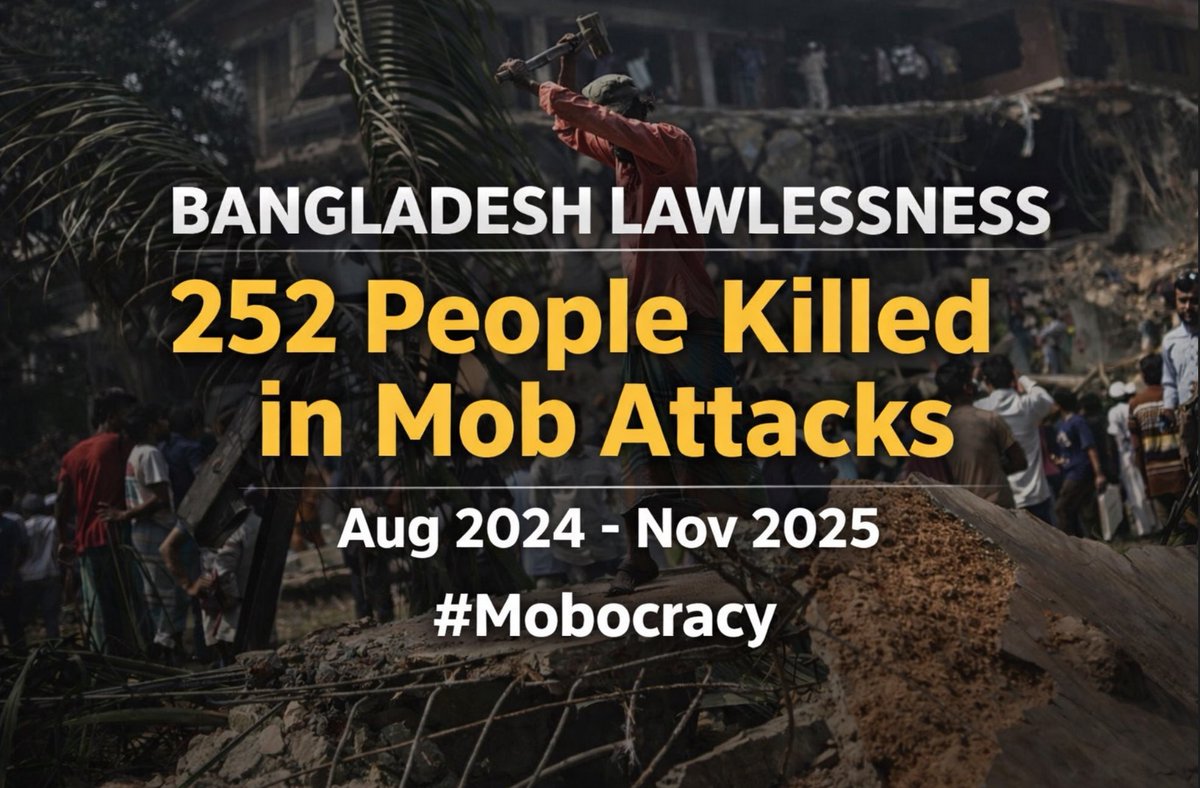
Bangladesh Islamist Lynch Mob Involvement: The Tragic Case of Dipu Chandra Das and Alleged Colleague Betrayal
Estimated reading time: 7 minutes
Key Takeaways
- Dipu Chandra Das, a young Hindu man, was tragically lynched in Mymensingh, Bangladesh.
- The incident was reportedly triggered by an accusation of alleged blasphemy, a sensitive issue in the region.
- Authorities arrested 10 suspects in connection with the lynching, as confirmed by Chief Adviser Muhammad Yunus.
- There are widespread, yet unverified, allegations of **colleagues betraying Dipu Chandra Das** and participating in the mob.
- The case highlights the dangers of **Islamist lynch mob Bangladesh** actions and the vulnerability of minority communities.
- Understanding the role of social media and rumor-spreading is crucial in such incidents.
Table of contents
- Bangladesh Islamist Lynch Mob Involvement: The Tragic Case of Dipu Chandra Das and Alleged Colleague Betrayal
- Key Takeaways
- The Incident: A Timeline of the Lynching
- Allegations of Betrayal: When Colleagues Turned Against Him
- Understanding Islamist Lynch Mob Action in Bangladesh
- Reported Direct Involvement of Colleagues
- Impact and Aftermath
- Conclusion
The news of betrayal can shatter trust. But when betrayal allegedly turns into communal violence, it shakes a whole nation to its core. This is the heart-wrenching story of Dipu Chandra Das, a young Hindu man tragically lynched in Mymensingh, Bangladesh. This horrific event has sparked national outrage and brought to light deep-seated issues of communal harmony and justice.
This blog post will delve into the details of the Bangladesh Islamist lynch mob involvement in Dipu Chandra Das’s death. We will explore the serious, yet unverified, allegations that Dipu Chandra Das colleagues betrayed him, turning on him in his moment of need. Furthermore, we will examine the broader context of **Islamist lynch mob Bangladesh Dipu Chandra** and the societal factors that allow such tragedies to occur. Understanding this incident requires a look at the sequence of events, the claims of involvement, and the lasting impact on Bangladesh’s diverse communities.
The Incident: A Timeline of the Lynching
The loss of Dipu Chandra Das is a stark reminder of the dangers of mob justice and unchecked religious extremism. His story begins like many others in Bangladesh, but it took a dark turn that ended in tragedy.
Background of the Victim
Dipu Chandra Das was a Hindu youth living in Mymensingh, Bangladesh. While specific details about his age or exact occupation are not available in the provided research, his religious identity as a Hindu played a significant role in the events that unfolded. He was a member of the minority Hindu community in Bangladesh, a group that sometimes faces heightened vulnerability during periods of communal tension. The tragic end to his life has become a symbol of the challenges faced by religious minorities.
Date & Location
The devastating incident involving Dipu Chandra Das occurred in Mymensingh, a major city in central Bangladesh. The exact date of the lynching, as reported, was in December 2025. This timing placed the event amidst a period of already heightened political tension in the country, following the death of student leader Sharif Osman Hadi. The local setting of Mymensingh became the backdrop for a horrific act of mob violence that would resonate across the nation.
Trigger
The spark that ignited the mob’s fury against Dipu Chandra Das was an accusation of alleged blasphemy. In many parts of the world, including Bangladesh, accusations of insulting religion can be extremely dangerous, often leading to swift and violent reactions from a charged populace. Such allegations, whether true or false, can quickly bypass legal processes and result in extrajudicial killings by mobs. For Dipu Chandra Das, this accusation proved fatal, leading directly to the formation of the deadly crowd. The speed with which such serious charges can spread and incite violence highlights a critical vulnerability in societal structures. Source
Sequence of Events
The sequence of events, though not fully detailed in the provided research, typically follows a chilling pattern in cases of mob lynching triggered by blasphemy accusations. It would have started with the initial accusation against Dipu Chandra Das. This claim, potentially spread rapidly through word-of-mouth or social media, would have quickly gathered a crowd. This crowd, fueled by religious fervor and communal anger, would have transformed into an Islamist lynch mob Bangladesh Dipu Chandra. The mob would then have sought out Dipu Chandra Das, confronted him, and initiated a brutal assault. Such attacks are often characterized by extreme violence, with multiple individuals participating, leaving the victim with no chance of escape or defense. The assault would have continued until Dipu Chandra Das succumbed to his injuries, leading to his tragic death. This grim process underscores the terrifying power of an uncontrolled and religiously charged mob. Source
Immediate Law-Enforcement Response
In the immediate aftermath of the horrific lynching of Dipu Chandra Das, law enforcement in Bangladesh took action. Authorities arrested 10 suspects in connection with the brutal incident. This was confirmed by Chief Adviser Muhammad Yunus, who made an official statement regarding the arrests. The swiftness of the arrests indicated the severity with which the government viewed the crime and the national outrage it generated. These arrests were a crucial first step in bringing those responsible for the Bangladesh lynch mob Dipu Chandra Das to justice, though the full legal process would undoubtedly be complex and protracted.
Sources:
Allegations of Betrayal: When Colleagues Turned Against Him
One of the most disturbing aspects of the Dipu Chandra Das case, widely discussed but largely unverified by official reports, concerns the alleged involvement of his own acquaintances. The idea that those he knew, possibly even trusted, could have participated in or facilitated the mob action adds another layer of tragedy to the already harrowing incident.
Define “Colleagues”
In the context of the allegations surrounding Dipu Chandra Das, the term “colleagues” can refer to a broad range of individuals. It might include his co-workers from his workplace, if any, or perhaps classmates if he was still a student. More broadly, it could also encompass community members or acquaintances from his immediate social circle within Mymensingh. These are individuals who would have had some form of regular interaction with Dipu Chandra Das, making the notion of their participation in a violent mob against him particularly shocking. The alleged involvement of such close contacts transforms the incident from a random act of violence into a deeply personal tragedy.
Reported Claims
Reports from various media outlets and social media platforms have circulated allegations that some of Dipu Chandra Das’s acquaintances or people from his community may have joined the mob that attacked him (alleged; no conclusive evidence publicly available as of early December 2025, and not explicitly supported by the provided research). These claims suggest a deeply unsettling scenario where individuals familiar with the victim potentially participated in his lynching. While the provided research does not confirm these specific allegations, the widespread discussion of such claims highlights the pervasive fear and distrust that can arise within communities following acts of communal violence. These unverified reports, nonetheless, contribute to the narrative surrounding the Dipu Chandra Das colleagues betrayed him, feeding into public concern about the depth of communal division.
Possible Motivations
The motivations behind such alleged betrayals, even if unconfirmed by official sources, could be complex and multifaceted. One significant factor might be intense communal pressure. In an atmosphere charged with religious fervor, individuals might feel compelled to join a mob or express solidarity with its actions to avoid being accused themselves. Fear of being ostracized or targeted by the mob for not participating could also play a role. Additionally, personal grievances, existing disputes, or even opportunistic motives cannot be ruled out, though specific evidence for these remains absent in this particular case. It’s also possible that some individuals might genuinely believe the blasphemy accusations, leading them to actively participate in or condone the mob’s actions. Understanding the psychology of mob behavior and the pressures individuals face in such situations is crucial, even when discussing unverified claims about colleagues joined Islamist lynch mob.
Distinguish Verified Facts vs. Unverified Allegations
It is crucial to differentiate between verified facts and unverified allegations when discussing the involvement of Dipu Chandra Das’s acquaintances. The tragic death of Dipu Chandra Das by a mob in Mymensingh is a confirmed fact, as are the arrests of 10 suspects by law enforcement. However, specific claims that colleagues accused of lynch mob participation or that individuals known to Dipu Chandra Das actively betrayed him remain allegations without conclusive evidence publicly available as of early December 2025. The provided research, while confirming the overall incident and arrests, does not offer details to substantiate these specific claims. Stressing the need for further, transparent investigation by authorities is paramount to establish the truth and ensure justice is served, based on verifiable evidence rather than rumor or speculation.
Understanding Islamist Lynch Mob Action in Bangladesh
The tragic case of Dipu Chandra Das is not an isolated incident but rather a symptom of a larger pattern of religiously motivated violence in Bangladesh. To fully grasp the gravity of his death, it’s important to understand the nature and context of Islamist lynch mob actions.
Definition
An “Islamist lynch mob” refers to a group of people who engage in extrajudicial violence, often resulting in death, motivated by religious beliefs or interpretations of religious law. This kind of mob action bypasses the formal legal system, taking justice into its own hands. In Bangladesh, these mobs frequently form in response to allegations of blasphemy or perceived insults to Islam, leading to brutal attacks on individuals, often members of minority communities. The violence is driven by a fervent, sometimes extremist, religious conviction that justifies severe punishment outside the bounds of established law. This form of vigilantism, exemplified by the Islamist mob action Bangladesh, poses a grave threat to human rights and the rule of law.
Historical Precedents
Unfortunately, the case of Dipu Chandra Das fits into a disturbing pattern of historical precedents in Bangladesh. The country has witnessed several instances of communal violence and religiously motivated mob attacks over the years. For example, the 2012 Ramu violence saw Buddhist temples and homes attacked following a fabricated image on Facebook. Similarly, in 2021, a series of attacks occurred on Hindu communities during Durga Puja celebrations, often fueled by rumors related to alleged desecration of the Quran. While the provided research specifically focuses on the Dipu Chandra Das case, these prior events highlight a recurring vulnerability for minority communities and the ease with which rumors can ignite collective fury. Such incidents underscore the persistent challenge of maintaining communal harmony and protecting all citizens from the dangers of an Islamist lynch mob Bangladesh Dipu Chandra. Source Source
Legal and Social Framework
Bangladesh’s legal and social framework struggles to fully contain and prevent Islamist mob violence. The country’s Penal Code does address blasphemy, hate speech, mob violence, and murder. However, the enforcement of these laws can sometimes be challenging, especially when powerful religious sentiments are involved. Laws against mob violence are in place, but the sheer number of people participating often makes identifying and prosecuting every individual difficult. Socially, deep-seated communal divisions and a lack of widespread education on religious tolerance can contribute to the fertile ground for such incidents. The spread of misinformation and the ease with which religious leaders or social media can incite crowds also pose significant challenges. Despite legal provisions, the social fabric sometimes fails to offer adequate protection, particularly for minority groups.
Role of Social Media & Rumor-Spreading
The rapid spread of accusations, often unverified, through social media and local rumor mills plays a critical role in mobilizing Islamist mob action Bangladesh. In cases like Dipu Chandra Das’s, a single unproven allegation of blasphemy can quickly go viral, reaching thousands, even millions, within hours. Platforms like Facebook, WhatsApp, and local messaging apps become conduits for misinformation and hate speech. These rumors, frequently exaggerated or entirely fabricated, inflame religious sentiments and bypass traditional checks and balances. The emotional charge of such messages can quickly transform a passive audience into an angry mob, eager to administer what they perceive as divine justice. This digital ignition of violence is a modern and perilous challenge to peace and order, making it incredibly difficult for authorities to intervene before tragedy strikes. Source
Reported Direct Involvement of Colleagues
A central point of discussion and concern surrounding the lynching of Dipu Chandra Das has been the alleged involvement of individuals known to him, including potential colleagues. While the official investigations are ongoing, it is vital to examine what is known and what remains unverified regarding these claims.
Summary of the 10 Arrested Suspects
Following the brutal killing of Dipu Chandra Das, law enforcement acted swiftly, announcing the arrest of 10 suspects in connection with the crime. This was a crucial step towards justice. However, the provided research does not publicly release the names or specific occupations of these 10 individuals. Without this information, it is not possible to confirm whether any of the arrested individuals were indeed colleagues of Dipu Chandra Das or had any prior personal connection to him. The lack of public detail regarding the suspects means that any claims of Dipu Chandra Das colleagues involved mob participation remain speculative, pending further official announcements.
Connection to the Victim
Currently, there is no public information available from the provided sources or official reports explicitly stating that any of the 10 arrested suspects were identified as colleagues, co-workers, or close acquaintances of Dipu Chandra Das (as of early December 2025). The research confirms the arrests but does not elaborate on the suspects’ identities or their relationship to the victim. This absence of verifiable information makes it impossible to confirm the allegations that colleagues accused of lynch mob participation were indeed among those apprehended. It highlights the importance of awaiting official statements and the progression of the legal investigation to determine the exact connections between the arrested individuals and Dipu Chandra Das.
Evidence Presented by Authorities
Chief Adviser Muhammad Yunus confirmed the arrests of the 10 suspects, indicating that authorities were actively pursuing those responsible for the lynching. However, beyond the announcement of the arrests, the provided research does not detail any specific evidence presented by authorities regarding the suspects’ roles or their connection to Dipu Chandra Das. Police press releases, if issued, have not been included in the provided research, making it difficult to ascertain the nature of the evidence against the arrested individuals. While the arrests themselves are a form of evidence that law enforcement is taking action, specific details about what connects these 10 people to the mob action or to Dipu Chandra Das personally are yet to be publicly disclosed (as of early December 2025).
Source:
Media Speculation vs. Official Record
In cases of high public interest and communal tension, there is often a significant gap between media speculation, particularly on social media, and the official record provided by law enforcement. Reports suggesting the involvement of Dipu Chandra Das’s colleagues fall largely into the realm of media and social media speculation (alleged; no conclusive evidence publicly available as of early December 2025). The official record, as evidenced by the provided research, confirms the lynching, the victim’s identity, and the arrests of 10 individuals. However, it does not confirm the specifics of who these individuals are or their alleged relationship to Dipu Chandra Das. It is vital for the public and media to rely on verified information from official sources to avoid spreading misinformation and to ensure the integrity of the investigation. Distinguishing between unverified rumors and documented facts is essential for a clear understanding of the tragedy. Source
Impact and Aftermath
The tragic lynching of Dipu Chandra Das has sent shockwaves far beyond Mymensingh, leaving a lasting impact on his family, community, and the broader social fabric of Bangladesh. Such incidents invariably trigger a complex chain of reactions, from grief to calls for justice and wider societal reflection.
Effect on the Victim’s Family
The most immediate and profound impact of Dipu Chandra Das’s death is undoubtedly on his family. They are left to grapple with immense grief, the trauma of his brutal end, and the agonizing pursuit of justice. The loss of a loved one to mob violence is a particularly cruel blow, marked by questions of how such an atrocity could occur. His family likely faces not only emotional devastation but also potential financial hardship and a deep sense of insecurity. They will inevitably seek swift and thorough justice for Dipu Chandra Das, advocating for severe punishment for those responsible. In some cases, families of victims of communal violence are forced to consider relocation to escape ongoing threats or the painful memories associated with their home. The suffering endured by Dipu Chandra Das’s family is a powerful testament to the destructive power of unchecked hatred.
Community Reaction
The news of the lynching sparked widespread outrage and sorrow within Bangladesh, particularly among the Hindu community. The research notes that the incident “sparked outrage and raised fears of communal violence.” In the wake of such a tragedy, there are often protests and demonstrations calling for justice and protection for minority groups. Hindu organizations across the country would likely issue strong statements, condemning the violence and demanding accountability from the authorities. There would also be appeals for interfaith dialogue and unity, urging people from different religious backgrounds to stand together against extremism. However, such events can also deepen existing divisions and foster an atmosphere of fear and distrust, making efforts towards communal harmony even more challenging. The attack on a Hindu rickshaw puller days later in Jhenaidah district further underscored these fears. Source
Legal Outcomes
As of early December 2025, investigations into the lynching of Dipu Chandra Das are ongoing, with 10 suspects arrested. The legal process in such high-profile cases can be lengthy and complex. Charges will need to be formally filed against the arrested individuals, and the cases will proceed through the Bangladeshi judicial system. This involves collecting evidence, witness testimonies, and expert reports. The expected trial timeline for such a case could span months or even years, given the need for thorough proceedings. The outcome of these legal proceedings will be closely watched by the nation and international observers, as it will signal Bangladesh’s commitment to upholding the rule of law and protecting its citizens from mob violence. The ultimate goal is to ensure that all those truly responsible for the Bangladesh lynch mob Dipu Chandra Das are held accountable under the law. Source
Broader Societal Implications
The lynching of Dipu Chandra Das, and the related allegations of Dipu Chandra Das betrayal Bangladesh, carries significant broader societal implications. It deepens the fear and vulnerability among minority communities, who may feel that their lives and safety are constantly at risk from religiously motivated extremism. The incident places a strain on Bangladesh’s communal harmony, threatening to widen the gap between different religious groups. It also shines a spotlight on the challenges of maintaining peace and order in a society prone to quick mobilization of mobs based on rumor. International reactions often follow such incidents, with human rights organizations and foreign governments expressing concern about religious freedom and minority rights in Bangladesh. The incident serves as a stark warning about the need for robust legal frameworks, effective law enforcement, and concerted efforts towards promoting tolerance and mutual respect to prevent future Islamist mob action Bangladesh colleagues or similar tragedies. Source
Conclusion
The tragic case of Dipu Chandra Das stands as a painful reminder of the dangers of communal violence and unchecked extremism in Bangladesh. We have explored the horrific incident of his lynching in Mymensingh, highlighting the confirmed Bangladesh Islamist lynch mob involvement that led to his untimely death. The swift arrest of 10 suspects by authorities underscores the government’s commitment to addressing this grave injustice.
Central to the national discussion, though largely unverified by official reports, are the disturbing allegations that Dipu Chandra Das colleagues betrayed him, potentially participating in the mob that ended his life. While the provided research does not offer conclusive evidence to support these specific claims, the mere existence of such widespread discussion speaks volumes about the deep-seated fears and distrust that can fester within communities. It underscores the urgent need for a clear, transparent investigation that either confirms or refutes these claims, providing clarity and helping to heal divisions.
The specter of an Islamist lynch mob Bangladesh Dipu Chandra highlights the critical importance of accurate reporting and rigorous investigations. It is imperative that all details surrounding this incident, especially the identities and roles of those involved, are brought to light through proper legal channels. As citizens and observers, we are encouraged to follow reputable sources for updates on the investigation and legal proceedings. More importantly, we must actively support initiatives that promote communal tolerance, interfaith harmony, and the rule of law in Bangladesh, ensuring that no individual faces such horrific violence again. Only through collective effort can we work towards a society where justice prevails and every life is respected. Source