
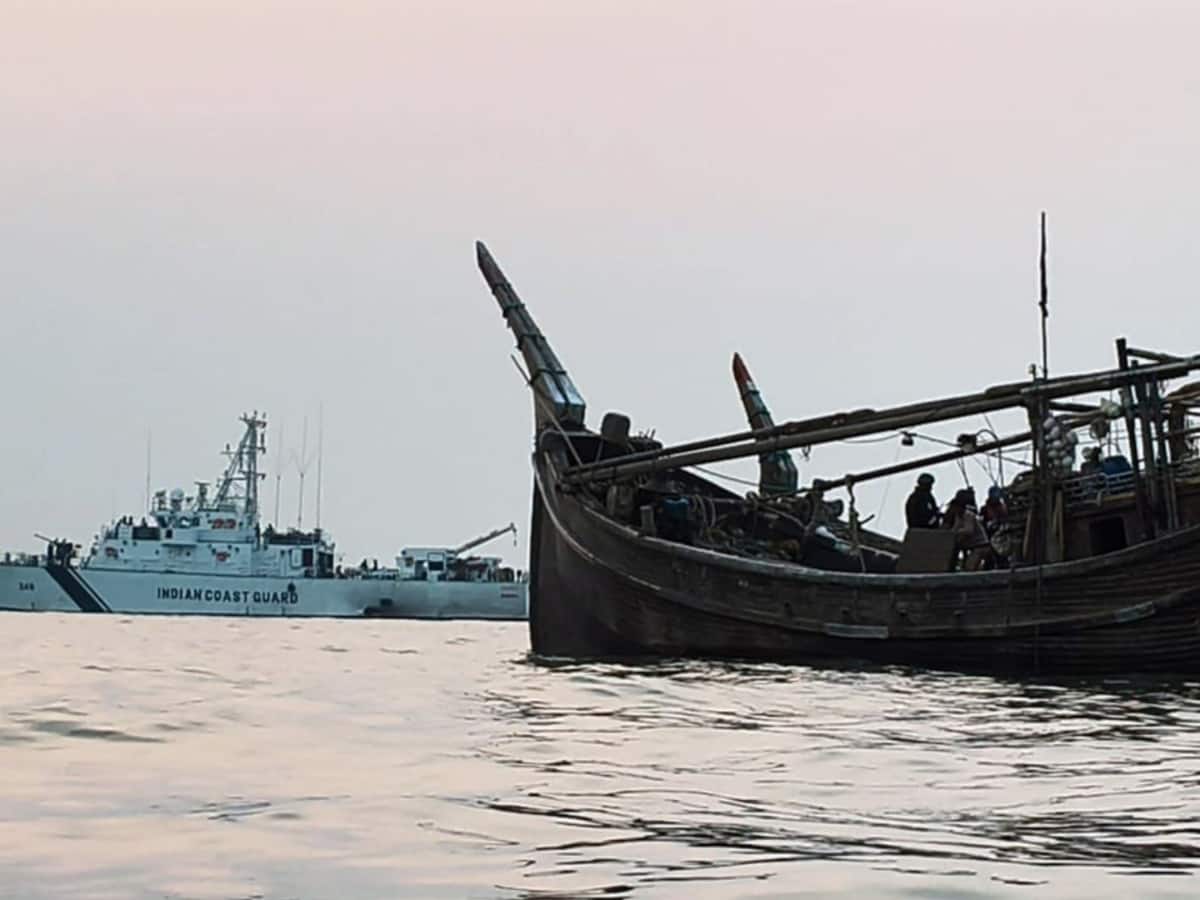
Bangladesh Naval Provocations India Bay of Bengal: Unpacking the Evidence, Motives, and Regional Impact
Estimated reading time: 12 minutes
Key Takeaways
- Concerns are rising over alleged Bangladesh naval provocations India Bay of Bengal, impacting regional maritime stability.
- Historical maritime disputes and past incidents have contributed to a climate of mistrust between India and Bangladesh.
- Recent alleged incidents include a collision involving an Indian fishing trawler and a Bangladesh navy vessel, along with an increase in Bangladeshi fishing boat intrusions into Indian waters.
- Bangladesh’s growing military ties with Pakistan and China are viewed by India with strategic concern, fueling narratives of “secret moves.”
- Possible motivations for Bangladesh’s assertiveness include sovereign EEZ assertion, economic security, domestic political leverage, and counter-balancing Indian influence.
- The tensions have significant implications for bilateral relations, regional security, and economic stability in the Bay of Bengal.
- Resolving disputes requires leveraging the UNCLOS framework, establishing joint commissions, and promoting transparency.
Table of contents
- Bangladesh Naval Provocations India Bay of Bengal: Unpacking the Evidence, Motives, and Regional Impact
- Key Takeaways
- Introduction: Examining Bangladesh Naval Provocations India Bay of Bengal
- Section 1: The Geopolitical Chessboard – India-Bangladesh Maritime Context
- Strategic Value of the Bay of Bengal
- Why the Waterway is Vital to National Security and Economic Growth
- India Bangladesh Territorial Conflicts Bay of Bengal and Boundary Agreements
- Section 2: Historical Overview of Maritime Disputes
- Key Past Incidents and Their Impact
- How Past Confrontations Built Mistrust
- Section 3: Examining the Recent Alleged Bangladesh Navy Actions
- 3.1. The December 15, 2025 Collision
- 3.2. Increased Bangladeshi Fishing Vessel Intrusions
- 3.3. Expanded Naval Patrols Near the Boundary
- Section 4: The “Secret Moves” Narrative – Motivations and Evidence
- 4.1. Claims of Secret Military Moves
- 4.2. Tangible Strategic Shifts
- Pakistan-Bangladesh Naval Cooperation
- Bangladesh-China Military Ties
- Annual Sea Exercise-2025
- 4.3. Possible Motivations
- Section 5: Implications for Regional Stability
- 5.1. Bilateral Relations
- 5.2. Security Risks in the Bay of Bengal
- 5.3. Economic Consequences
- Section 6: Diplomatic, Legal, and Confidence-Building Measures
- 6.1. UNCLOS Framework
- 6.2. Joint Maritime Commission
- 6.3. Transparency Initiatives
- 6.4. Domestic Political Context
- Conclusion: Navigating Fact from Speculation in the Bay of Bengal
- Key Findings Summary
- Balancing Verification and Concern
- Path Forward: Dialogue, Transparency, and Adherence to Norms
Introduction: Examining Bangladesh Naval Provocations India Bay of Bengal
Recent discussions have highlighted Bangladesh naval provocations India Bay of Bengal, sparking concerns about maritime stability in a crucial geopolitical area. This strategically important waterway, shared by both India and Bangladesh, is vital for trade, resources, and national security. For India, the Bay of Bengal represents a significant maritime frontier, crucial for its economic growth and naval defense. Similarly, Bangladesh views the bay as fundamental to its sovereignty, economic prosperity, and access to global markets.
This article aims to thoroughly examine the specific incidents and assess the claims of alleged Bangladesh aggression India waters. We will look at factual occurrences, such as naval encounters and fishing vessel disputes, and delve into the underlying motivations behind these Bangladesh navy actions India maritime disputes. By exploring documented events, strategic shifts, and political contexts, we can gain a clearer understanding of the current situation and its potential impact on regional stability.
Section 1: The Geopolitical Chessboard – India-Bangladesh Maritime Context
The Bay of Bengal is much more than just a large body of water; it is a critical geopolitical hotspot. This vast maritime region holds immense strategic value for both India and Bangladesh, shaping their national security and economic futures. Understanding its importance helps explain why any maritime dispute, even a seemingly small one, can quickly escalate into a significant concern.
Strategic Value of the Bay of Bengal
The Bay of Bengal is a lifeline for international trade, connecting major global economies. Countless ships carrying goods, energy, and raw materials pass through its waters daily. It features vital shipping lanes that are essential for global commerce. Beyond trade, the bay is rich in natural resources. It is a significant source of fisheries, supporting livelihoods for millions of people in both India and Bangladesh. There are also potential energy resources, such as oil and natural gas, beneath its seabed, making control and access to these areas highly coveted. For both nations, securing these waters is crucial for their long-term economic growth and energy independence.
Why the Waterway is Vital to National Security and Economic Growth
For India, the Bay of Bengal acts as its eastern maritime flank, playing a critical role in its naval defense strategy. Protecting its vast coastline and island territories requires a strong presence and control over these waters. Economically, the bay facilitates trade with Southeast Asian countries and beyond, driving India’s “Act East” policy.
For Bangladesh, the Bay of Bengal is its only maritime outlet, making it indispensable for its foreign trade and access to global shipping routes. The country’s blue economy, which includes fisheries, shipping, and potential offshore energy, is intrinsically linked to the health and security of the bay. Any disruption or perceived threat in these waters directly impacts Bangladesh’s economic stability and national development goals.
India Bangladesh Territorial Conflicts Bay of Bengal and Boundary Agreements
The concept of India Bangladesh territorial conflicts Bay of Bengal is not new. While a significant portion of the maritime boundary between India and Bangladesh has been formally agreed upon through international arbitration, some ambiguities and lingering issues remain. In 2014, the Permanent Court of Arbitration in The Hague resolved a long-standing dispute, awarding Bangladesh a substantial area in the Bay of Bengal, thereby clarifying much of their maritime boundary. This agreement was largely seen as a positive step towards reducing Bangladesh navy actions India maritime disputes.
However, despite these delimitations, interpretations of maritime zones, fishing rights, and enforcement activities can still lead to friction. The historical background of maritime delimitation, though successful in establishing a clear boundary, has left behind a complex legacy of understandings and misunderstandings. These lingering ambiguities sometimes contribute to incidents and fuel perceptions of intrusion or aggression, creating a challenging environment for peaceful coexistence.
India Today previously covered the broader historical dispute and its complexities, noting how unresolved aspects continue to influence current relations. Read more here.
Section 2: Historical Overview of Maritime Disputes
Past maritime incidents between India and Bangladesh have often shaped the way current events are perceived. These earlier confrontations, though sometimes minor, have contributed to a climate of mistrust and suspicion, laying the groundwork for present allegations of India Bangladesh territorial conflicts Bay of Bengal and Bangladesh navy actions India maritime disputes. Understanding these historical patterns helps us appreciate the depth of current tensions.
Key Past Incidents and Their Impact
Over the years, various incidents have marked the maritime relationship between the two nations. These have ranged from fishing boat arrests to complex negotiations over Exclusive Economic Zones (EEZ). For instance, there have been documented instances in 2014 and 2016 where fishing boats from one country were apprehended by the other’s coast guard for allegedly straying into territorial waters. These incidents, while often resolved through diplomatic channels, highlighted the sensitive nature of maritime boundaries and the livelihood concerns of fishermen.
In 2020, discussions around EEZ negotiations also brought attention to areas where resource sharing or patrolling might overlap. Even after the 2014 maritime boundary arbitration award, the practical enforcement of these new boundaries, especially in areas rich in fish or potential hydrocarbon reserves, has occasionally led to misunderstandings and clashes.
How Past Confrontations Built Mistrust
Each past confrontation, whether involving fishing boats or naval patrols, has subtly built up a layer of mistrust. When incidents occur, they are often seen through the lens of previous grievances or perceived slights. For example, if a Bangladeshi fishing vessel is apprehended by the Indian Coast Guard, it might be viewed by some in Bangladesh as a form of harassment, even if the vessel was genuinely in Indian waters. Similarly, Indian authorities might interpret increased Bangladeshi naval presence as a challenge, given previous incidents.
This pattern of repeated Indian Coast Guard interceptions of Bangladeshi vessels, as noted in reports, has contributed to this cycle. Such interceptions, though necessary for border enforcement, can be portrayed in each nation’s domestic media as aggressive actions by the other side. This creates a challenging environment for diplomatic engagement, as each incident adds to the existing narrative of territorial friction and maritime competition in the Bay of Bengal.
This history of maritime friction between India and Bangladesh has been a consistent theme, with repeated instances of the Indian Coast Guard intercepting Bangladeshi vessels. This recurring pattern underscores the persistent nature of these India Bangladesh territorial conflicts Bay of Bengal. Further details can be found here.
Section 3: Examining the Recent Alleged Bangladesh Navy Actions
Recent events in the Bay of Bengal have intensified concerns about maritime security and potential aggression. These incidents include a serious collision involving a naval vessel, increased intrusions by fishing boats, and expanded naval patrols. Each event contributes to a complex picture of what India perceives as Bangladesh naval provocations India Bay of Bengal.
3.1. The December 15, 2025 Collision
A particularly alarming incident occurred on December 15, 2025. An Indian fishing trawler, carrying 16 fishermen, was allegedly involved in a collision with a Bangladesh navy patrol vessel. This unfortunate event reportedly led to the capsizing of the Indian trawler and resulted in at least one death. The circumstances surrounding the collision are heavily debated, with both sides presenting different accounts.
Indian reports claim that the Bangladesh navy vessel was operating with its “lights off,” making it impossible for the Indian trawler to see it in the dark waters. This lack of visibility is seen by some as a deliberate act of alleged Bangladesh aggression India waters. Furthermore, witnesses reported that a fisherman was struck by a spear-like object, adding to the severity of the allegations.
However, Bangladesh has disputed these claims. The Bangladeshi government asserted that its patrol vessel was approximately 12 nautical miles away from the incident site, implying it could not have been involved. They have called the Indian reports “misleading.” Despite the conflicting statements, the Indian Coast Guard has not yet confirmed whether the Indian trawler had crossed the maritime boundary or if the Bangladesh navy ship had entered Indian waters. This ambiguity makes it difficult to ascertain the exact sequence of events and responsibility.
The India Today report on this collision provides crucial details, highlighting the tragic outcome and the differing narratives from both nations. Read the full report.
3.2. Increased Bangladeshi Fishing Vessel Intrusions
Beyond the naval collision, there has been a noticeable increase in the number of Bangladeshi fishing vessels entering India’s Exclusive Economic Zone (EEZ). These intrusions are seen by India as a form of alleged Bangladesh aggression India waters, even if carried out by civilian vessels, as they challenge maritime boundaries.
Recent seizures by the Indian Coast Guard illustrate this trend. On December 16, just one day after the collision, two Bangladeshi fishing boats were intercepted deep within Indian waters. These vessels were found to be illegally harvesting fish, with approximately 500 kg seized, and 35 crew members detained. This incident was not isolated. Over the past two months, the Indian Coast Guard has reportedly apprehended a total of eight Bangladeshi boats, leading to the detention of around 170 crew members.
Fishermen often cross the EEZ for various reasons. One significant factor is resource pressure; dwindling fish stocks in their own waters push them further afield in search of better catches. Additionally, the exact location of maritime boundaries can sometimes be unclear to individual fishermen, especially in traditional fishing grounds. Some intelligence sources suggest that anti-India groups in Bangladesh are deliberately portraying these detentions as harassment of poor fishermen to fuel resentment against India. This makes the issue not just about resource management but also about political manipulation, creating more Bangladesh naval provocations India Bay of Bengal in the public eye.
The Indian Coast Guard seizure data, including the number of boats and crew detained, is detailed in the same India Today report, underscoring the scale of these intrusions. See the data here.
3.3. Expanded Naval Patrols Near the Boundary
Another observed trend contributing to the narrative of Bangladesh navy actions India maritime disputes is an apparent increase in Bangladeshi naval patrols near the maritime boundary. While specific satellite-track analyses are not always publicly available, open-source monitoring and intelligence reports indicate an uptick in the frequency and intensity of these patrols.
From an Indian perspective, this expanded presence is often perceived as a “provocation” or an assertive display of force, especially when coinciding with other contentious incidents. Such maneuvers near a sensitive boundary can raise alert levels and be interpreted as an attempt to challenge established maritime norms or territorial claims.
Conversely, Bangladesh views these patrols as routine sovereignty operations. They assert that these are necessary measures to protect their maritime interests, enforce their EEZ, and maintain national security within their legitimate waters. The increase in patrols could also be a response to perceived intrusions or a demonstration of their growing naval capabilities. However, when these routine patrols are conducted in close proximity to a sensitive boundary, they can easily be misinterpreted, contributing to the perception of secret Bangladesh military moves against India from the Indian side, even if officially stated as defensive.
Section 4: The “Secret Moves” Narrative – Motivations and Evidence
The idea of “secret Bangladesh military moves against India” often emerges in intelligence circles and public discourse, adding a layer of suspicion to maritime events. While open-source verification for truly “secret” moves is inherently difficult, certain tangible strategic shifts and partnerships offer insight into Bangladesh’s evolving motivations and capabilities. These developments provide a backdrop against which allegations of Bangladesh navy actions India maritime disputes are interpreted.
4.1. Claims of Secret Military Moves
The phrase secret Bangladesh military moves against India refers to allegations or intelligence assessments that Bangladesh is undertaking discreet military actions or strategic alignments specifically aimed at countering or challenging Indian influence. These claims often surface due to a lack of complete transparency around military activities, coupled with geopolitical tensions. When nations operate with a degree of secrecy, even routine actions can be interpreted as having a hidden agenda by external observers.
Verifying such “secret” moves is notoriously difficult. By their very nature, these actions are designed to be covert, meaning there’s often no official public confirmation or clear-cut evidence. Instead, reports often rely on diplomatic leaks, intelligence assessments, or inferences drawn from observable, though unannounced, activities. This reliance on less direct evidence can fuel speculation and contribute to heightened mistrust between neighboring countries. For instance, intelligence sources might interpret an increase in a certain type of military exercise or a high-level visit as part of a larger, undisclosed strategy, even if publicly presented as benign.
4.2. Tangible Strategic Shifts
Despite the difficulty in confirming “secret” intent, several observable strategic shifts in Bangladesh’s military and diplomatic engagements offer concrete evidence of its evolving posture. These shifts are interpreted by some as indirect proof of broader, possibly secret, strategic objectives.
Pakistan-Bangladesh Naval Cooperation
A significant development indicating a shift in Bangladesh’s strategic alignment is its renewed naval cooperation with Pakistan. In November 2025, Pakistan’s Navy Chief Admiral Naveed Ashraf undertook a historic visit to Bangladesh. This marked the first high-level visit by a Pakistani navy official since the 1971 Bangladesh Liberation War, signaling a notable warming of military ties. Following this visit, the Pakistani naval ship PNS SAIF anchored off Chattogram, Bangladesh’s main port. Earlier, Pakistan’s Joint Chiefs of Staff Committee chairman also visited Dhaka. These engagements, including joint exercises or port calls, are seen by India as evidence of closer military alignment between Bangladesh and Pakistan, potentially aimed at counterbalancing India’s regional influence.
This increase in Pakistan-Bangladesh military interaction has been reported by both NDTV and India Today.
NDTV report and
India Today report.
Bangladesh-China Military Ties
Bangladesh has also been strengthening its military ties with China, which is a major supplier of military hardware and training to the Bangladeshi armed forces. Joint training exercises have been observed, with China’s People’s Liberation Army reportedly conducting exercises at the Bangabandhu Bangladesh Military Academy in May 2024. These joint training initiatives, often visible through open-source intelligence and public footage, enhance Bangladesh’s military capabilities and interoperability with China. From India’s perspective, China’s growing military footprint in South Asia, including its partnerships with countries like Bangladesh, is a significant strategic concern, amplifying fears of secret Bangladesh military moves against India that align with Beijing’s regional ambitions.
Footage of joint training at Bangabandhu Military Academy has been made available on YouTube. Watch the video.
Annual Sea Exercise-2025
Bangladesh’s own military exercises also provide insights into its strategic intent and capabilities. The Bangladesh Navy successfully concluded its Annual Sea Exercise-2025 in November, featuring live-fire missile launches in the Bay of Bengal. These exercises demonstrate Bangladesh’s commitment to enhancing its naval readiness and deterrence capabilities. The public messaging around these exercises typically emphasizes national sovereignty and maritime security. However, when viewed in the context of rising tensions and perceived provocations, such displays of military strength can be interpreted by neighboring states as a more assertive, potentially challenging posture, contributing to the narrative of Bangladesh navy actions India maritime disputes.
Both NDTV and BDMilitary reported on Bangladesh’s Annual Sea Exercise-2025.
NDTV coverage and
BDMilitary report.
4.3. Possible Motivations
Several intertwined motivations likely drive Bangladesh’s current maritime assertiveness and strategic realignments. These factors explain why there might be an increase in Bangladesh naval provocations India Bay of Bengal and India Bangladesh territorial conflicts Bay of Bengal.
- Sovereign EEZ Assertion: A primary motivation is the assertion of its sovereign rights over its Exclusive Economic Zone. Bangladesh, like any coastal state, has a legitimate interest in controlling and benefiting from the resources within its EEZ. Increased patrols and enforcement actions can be seen as a way to demonstrate effective control and deter unauthorized activities.
- Economic Security (Fisheries, Hydrocarbons): Protecting its fisheries is crucial for Bangladesh’s economy and food security. The Bay of Bengal is also believed to hold significant hydrocarbon reserves, and asserting control over potential exploration areas is a key economic driver. Actions perceived as provocative might be intended to reinforce its claims over these valuable resources.
- Domestic Political Leverage Ahead of Feb 2026 Elections: Bangladesh is heading towards elections in February 2026. The interim government under Muhammad Yunus, and other political actors, may be using nationalist rhetoric and assertive maritime posturing to gain popular support. Standing up to a larger neighbor like India can resonate with certain segments of the electorate, portraying the government as strong and protective of national interests.
- Counter-Balancing Indian Influence: India has historically held significant influence in Bangladesh. The recent warming ties with Pakistan and China suggest a strategic desire by Bangladesh to diversify its alliances and potentially reduce its reliance on India. This “balancing act” is a common strategy for smaller nations seeking to assert greater autonomy in a region dominated by a larger power. India’s parliamentary committee has even noted that India faces its most significant strategic challenge since 1971 from Bangladesh due to the rising influence of Pakistan and China in Dhaka.
- Response to Perceived Indian “Harassment”: Bangladesh may genuinely perceive some Indian actions, such as frequent Coast Guard interdictions of its fishing vessels, as harassment or overreach. In response, it might adopt a more assertive stance to protect its citizens and maritime interests, leading to actions that India interprets as provocations. This tit-for-tat dynamic can quickly escalate tensions. Read more on these perceptions.
Section 5: Implications for Regional Stability
The recent Bangladesh naval provocations India Bay of Bengal and the underlying tensions have far-reaching implications. They affect not only the direct bilateral relationship between India and Bangladesh but also the broader security and economic landscape of the Bay of Bengal region. Understanding these impacts is crucial for assessing the gravity of the current situation.
5.1. Bilateral Relations
The current maritime incidents are placing significant strain on diplomatic channels between India and Bangladesh. The summoning of Bangladesh’s High Commissioner by India and the lodging of formal protests are clear indicators of this diplomatic stress. These actions signal serious concern from India regarding the alleged India Bangladesh territorial conflicts Bay of Bengal and Bangladesh naval provocations India Bay of Bengal. The bilateral relationship has already seen a notable deterioration since the departure of the previous Bangladeshi government, with increased anti-India sentiment gaining traction in Bangladesh.
Despite these heightened tensions, it’s important to note that military-to-military contacts have not entirely ceased. For instance, India and Bangladesh successfully conducted the 2025 Bongosagar naval exercise in the Bay of Bengal. This exercise, which involved tactical drills, surface firing, and boarding operations, demonstrates that a professional level of engagement can still be maintained between the navies. Indian Army Chief General Upendra Dwivedi also reaffirmed the strategic importance of India-Bangladesh ties and emphasized the need for stability. These continued contacts, even amid diplomatic friction, suggest a recognition by both sides of the importance of some level of cooperation to prevent accidental escalation.
The YouTube footage of the Bongosagar naval exercise highlights this continued military engagement. Watch the exercise highlights.
5.2. Security Risks in the Bay of Bengal
The escalating tensions introduce several significant security risks in the Bay of Bengal. One of the most immediate dangers is the potential for accidental escalation. With increased naval presence and assertive patrols from both sides, the chances of unintended encounters or misinterpretations of maneuvers rise sharply. An incident that starts as a minor collision or a fishing boat dispute could quickly spiral into a more serious confrontation if not managed carefully.
Furthermore, there are threats to freedom of navigation. While commercial shipping lanes haven’t been directly targeted, increased military activity and contested maritime claims can create uncertainty for merchant vessels. This uncertainty could lead to higher insurance costs, rerouting, or delays, affecting the smooth flow of international trade.
The impact on commercial shipping, though indirect, is a tangible concern. Any instability in this vital maritime corridor could deter investments and disrupt supply chains. More concerning is the risk of broader regional involvement. The growing military ties between Bangladesh, Pakistan, and China, particularly naval cooperation, could transform what is currently a bilateral dispute into a multilateral security concern. This would complicate efforts to de-escalate tensions and could draw in external powers, making the Bay of Bengal a more contested and less stable arena. This makes the Bangladesh navy actions India maritime disputes and alleged Bangladesh aggression India waters a matter of wider regional concern.
5.3. Economic Consequences
Beyond security, the current maritime tensions also carry significant economic consequences for both nations. The most direct impact is felt by the fishing communities. When fishing vessels are seized and crew members detained, it results in substantial economic losses for the fishermen and their families. Their livelihoods are directly threatened by restricted access to traditional fishing grounds and the risk of apprehension.
There is also a possible disruption to offshore energy projects. Both India and Bangladesh have investments and plans for exploring and exploiting hydrocarbon resources in the Bay of Bengal. Uncertainty and instability could deter foreign investment in these capital-intensive projects, slowing down energy development and economic growth. Companies are generally reluctant to invest in regions with high geopolitical risk.
Finally, the impact on trade routes, while not yet severe, remains a concern. The Bay of Bengal is a crucial artery for trade. Even minor disruptions, such as increased scrutiny of vessels or perceived security threats, could affect the efficiency and cost-effectiveness of maritime trade. For nations heavily reliant on sea-borne commerce, such as India and Bangladesh, these Bangladesh naval provocations India Bay of Bengal ultimately pose a risk to their broader economic stability and development.
Section 6: Diplomatic, Legal, and Confidence-Building Measures
Addressing the current tensions and preventing future Bangladesh naval provocations India Bay of Bengal requires a multi-faceted approach. This includes leveraging international legal frameworks, establishing robust diplomatic mechanisms, and implementing practical confidence-building measures. Such strategies are vital for de-escalating disputes and fostering a more stable maritime environment in the Bay of Bengal.
6.1. UNCLOS Framework
The United Nations Convention on the Law of the Sea (UNCLOS) serves as the foundational international legal framework governing all maritime activities. Both India and Bangladesh are signatories to UNCLOS, meaning they have agreed to abide by its principles and regulations. This convention provides clear guidelines on various aspects of maritime law, including the delimitation of territorial waters, contiguous zones, Exclusive Economic Zones (EEZs), and continental shelves. It also outlines procedures for the peaceful settlement of maritime disputes.
By emphasizing adherence to the UNCLOS framework, both nations can find neutral ground for resolving India Bangladesh territorial conflicts Bay of Bengal. The convention offers a rules-based system that can guide discussions on fishing rights, naval patrols, and resource exploration, thereby reducing the scope for arbitrary actions and misinterpretations. Reaffirming commitment to UNCLOS can provide a principled basis for dialogue and dispute resolution, moving away from unilateral actions towards mutually agreed-upon solutions.
6.2. Joint Maritime Commission
To manage and resolve ongoing maritime issues, the establishment of a Joint Maritime Commission could be highly effective. This technical forum would bring together experts from both nations, including naval officers, coast guard officials, maritime lawyers, and fisheries representatives. The commission could serve as a regular platform for:
- Sharing Patrol Data: Transparent exchange of information regarding naval and coast guard patrol schedules and activities.
- Incident Reporting Protocols: Establishing clear, agreed-upon procedures for reporting maritime incidents, such as collisions or vessel intrusions, to ensure prompt and accurate communication.
- Joint Search-and-Rescue Drills: Conducting coordinated search-and-rescue operations to build interoperability and trust, demonstrating a shared commitment to maritime safety.
Such a commission would provide a dedicated, apolitical space to address operational issues that often contribute to Bangladesh navy actions India maritime disputes. By fostering direct communication and cooperation on practical matters, it can help prevent misunderstandings from escalating into larger diplomatic crises.
6.3. Transparency Initiatives
Increasing transparency in maritime activities is crucial for building trust and countering the narrative of secret Bangladesh military moves against India. Several initiatives could be implemented:
- Publicizing Naval Exercise Calendars: Both navies could publicly announce their annual exercise schedules well in advance. This would allow the other side to know the nature and location of drills, reducing suspicions about hidden intentions.
- Establishing Hotlines Between Coast Guards: Direct communication lines between the Indian and Bangladeshi Coast Guards could enable swift and clear exchanges during incidents, preventing miscommunication and enabling quick de-escalation.
- Joint Fisheries Management Agreements: Collaborating on the management of shared fish stocks, including conservation efforts and agreed-upon fishing zones, could reduce the pressure on fishermen to cross boundaries and minimize illegal fishing incidents.
- Joint Hydrographic Surveys: Conducting joint surveys of the maritime boundary and resource-rich areas could provide shared data, reducing disputes over resource claims and enhancing mutual understanding of the maritime domain.
These measures would promote openness and predictability, challenging any perception of covert military operations and fostering a more cooperative environment in the Bay of Bengal.
6.4. Domestic Political Context
It is important to acknowledge the role of domestic politics, especially in Bangladesh, which is heading towards elections in February 2026. During electoral campaigns, nationalist rhetoric and assertive stances on foreign policy issues, including maritime disputes, can be used to gain political leverage. The interim government under Muhammad Yunus, and other political parties, may feel compelled to demonstrate strong leadership by taking a firm stance against India, leading to perceived alleged Bangladesh aggression India waters or Bangladesh naval provocations India Bay of Bengal.
To mitigate the impact of electoral politics on sensitive maritime issues, external mediators or neutral observers could play a role in encouraging dialogue and adherence to established protocols. The international community can emphasize the importance of keeping maritime security issues insulated from short-term electoral gains. By focusing on long-term stability and international norms, both nations can be encouraged to prioritize regional peace over nationalist posturing driven by domestic political calendars. This requires diplomatic wisdom and a commitment to maintaining stable relations despite internal political pressures.
Conclusion: Navigating Fact from Speculation in the Bay of Bengal
The situation surrounding Bangladesh naval provocations India Bay of Bengal is complex, a mix of verified events, contested interpretations, and speculative claims. Understanding the distinction between these elements is key to preventing further escalation and fostering stability in this vital maritime region.
Key Findings Summary
Our investigation has revealed several verified facts:
- A collision occurred on December 15, 2025, between a Bangladesh navy patrol vessel and an Indian fishing trawler, resulting in the trawler capsizing and at least one fatality.
- Bangladeshi fishing vessels have been repeatedly intercepted and seized in Indian waters over recent months, with numerous crew members detained.
- Bangladesh has notably increased its military cooperation with Pakistan, marked by high-level visits and naval presence.
- Joint training exercises have taken place between Bangladeshi and Chinese military forces.
- Bangladesh conducted its Annual Sea Exercise-2025, including live-fire missile operations, demonstrating its growing naval capabilities.
However, many aspects remain contested. The exact responsibility for the December 15 collision is disputed, with conflicting accounts from both sides. The characterization of these incidents as deliberate provocations versus routine operations or enforcement actions is also a point of significant contention between India and Bangladesh. Claims of coordinated “secret” military moves, while widely discussed in intelligence circles, lack conclusive open-source verification, relying largely on inference and diplomatic leaks.
Balancing Verification and Concern
It is crucial to distinguish between confirmed incidents and unverified allegations. While the collision and fishing boat seizures are factual events that demand attention, the interpretation of these as a coordinated campaign of “alleged Bangladesh aggression India waters” requires careful scrutiny. Intelligence assessments suggest that domestic anti-India elements in Bangladesh may be leveraging these incidents to fuel public sentiment, particularly in the lead-up to the 2026 elections. This political exploitation of maritime events is distinct from direct evidence of pre-planned state-sponsored military aggression.
Path Forward: Dialogue, Transparency, and Adherence to Norms
Successfully navigating the challenges in the Bay of Bengal demands a commitment to sustained dialogue, greater transparency, and strict adherence to international maritime law. Both India and Bangladesh are signatories to the UNCLOS, which provides a robust framework for resolving disputes and managing maritime activities peacefully.
To prevent future incidents and de-escalate current tensions, several measures are essential:
- Enhanced Diplomatic Channels: Regular, high-level diplomatic engagement dedicated to maritime issues can help address misunderstandings.
- Confidence-Building Measures: Implementing initiatives like hotlines between coast guards, publicizing naval exercise calendars, and fostering joint search-and-rescue operations can build trust.
- Joint Management: Collaboration on shared resources, such as fisheries, can mitigate economic pressures that often lead to cross-border incursions.
Understanding Bangladesh naval provocations India Bay of Bengal requires a balanced view of evidence, motive, and regional stakes. By prioritizing dialogue, transparency, and adherence to international norms, both nations can work towards a more stable and cooperative maritime environment in the Bay of Bengal, ensuring that this vital waterway remains a conduit for prosperity rather than a source of conflict.
Frequently Asked Questions
What are the main concerns regarding Bangladesh’s naval activities in the Bay of Bengal?
Concerns primarily revolve around alleged provocations and actions that India interprets as challenging its maritime interests, including naval collisions, increased fishing boat intrusions, and perceived assertive naval patrols near the boundary.
What is the significance of the collision on December 15, 2025?
This incident is significant because it involved a direct clash between a Bangladesh navy vessel and an Indian fishing trawler, leading to casualties. The conflicting accounts from both sides highlight the sensitivity and potential for escalation in maritime interactions.
How do Bangladesh’s ties with Pakistan and China relate to maritime tensions?
India views Bangladesh’s strengthening military ties with Pakistan and China with strategic concern. These partnerships are interpreted by some in India as part of a broader strategy to counter Indian influence, fueling suspicions about “secret moves” and increasing regional geopolitical complexities.
What are the potential economic consequences of these maritime disputes?
Economic consequences include direct losses to fishing communities from vessel seizures, potential deterrence of foreign investment in offshore energy projects, and possible disruptions to vital trade routes in the Bay of Bengal, impacting regional economic stability.
What role does the UNCLOS play in resolving these disputes?
The United Nations Convention on the Law of the Sea (UNCLOS) provides the internationally recognized legal framework for maritime boundaries, resource rights, and dispute resolution. Both India and Bangladesh are signatories, and adherence to UNCLOS principles is crucial for finding a peaceful and principled resolution to their maritime conflicts.